
Our Ingredients
Our formulations are based on carefully selected vitamins and minerals that support essential physiological functions. Each ingredient is included for its scientifically recognized role in energy metabolism, collagen formation, joint and bone health, skin vitality, and overall wellbeing.
Below you will find detailed information about the functional properties and benefits of each active ingredient used in our products.
Thiamin (Vitamin B1)
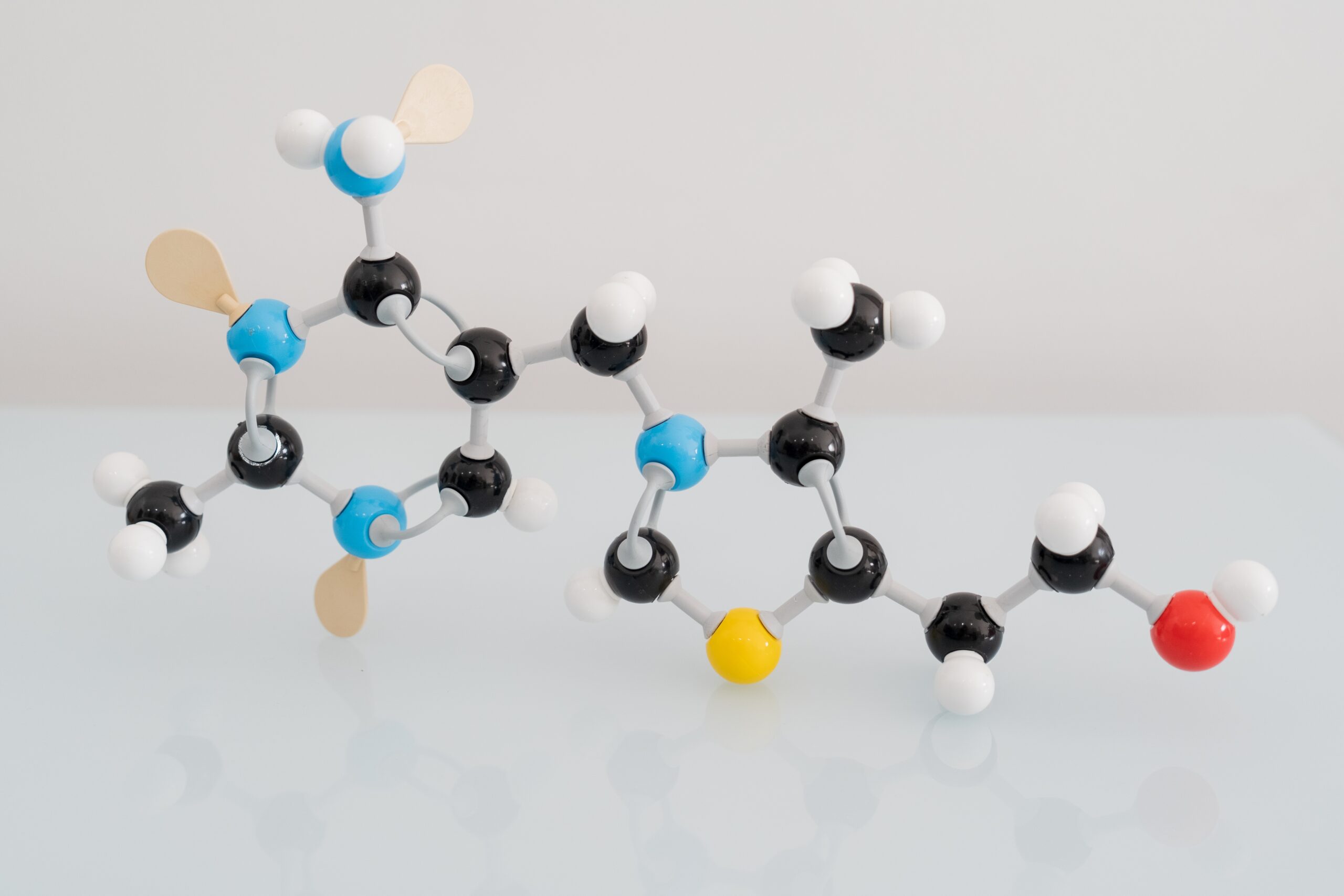
Thiamin, also known as vitamin B1, is a water-soluble cation usually supplied as a chloride salt. As the first B vitamin isolated in pure form, it plays a foundational role in human health.
Phosphorylated forms of thiamine are required for several metabolic reactions, including the breakdown of glucose and amino acids. By helping certain enzymes function properly, it supports the breakdown of sugars and converts blood sugar into energy. This process is essential for maintaining healthy nerves, heart function, and muscle performance.
Because only small amounts are stored in the liver, daily intake is required. A deficiency may cause fatigue, irritability, poor memory, and sleep disturbances. Ultimately, vitamin B1 is vital for fueling the body and maintaining healthy mucous membranes.
Riboflavin (Vitamin B2)
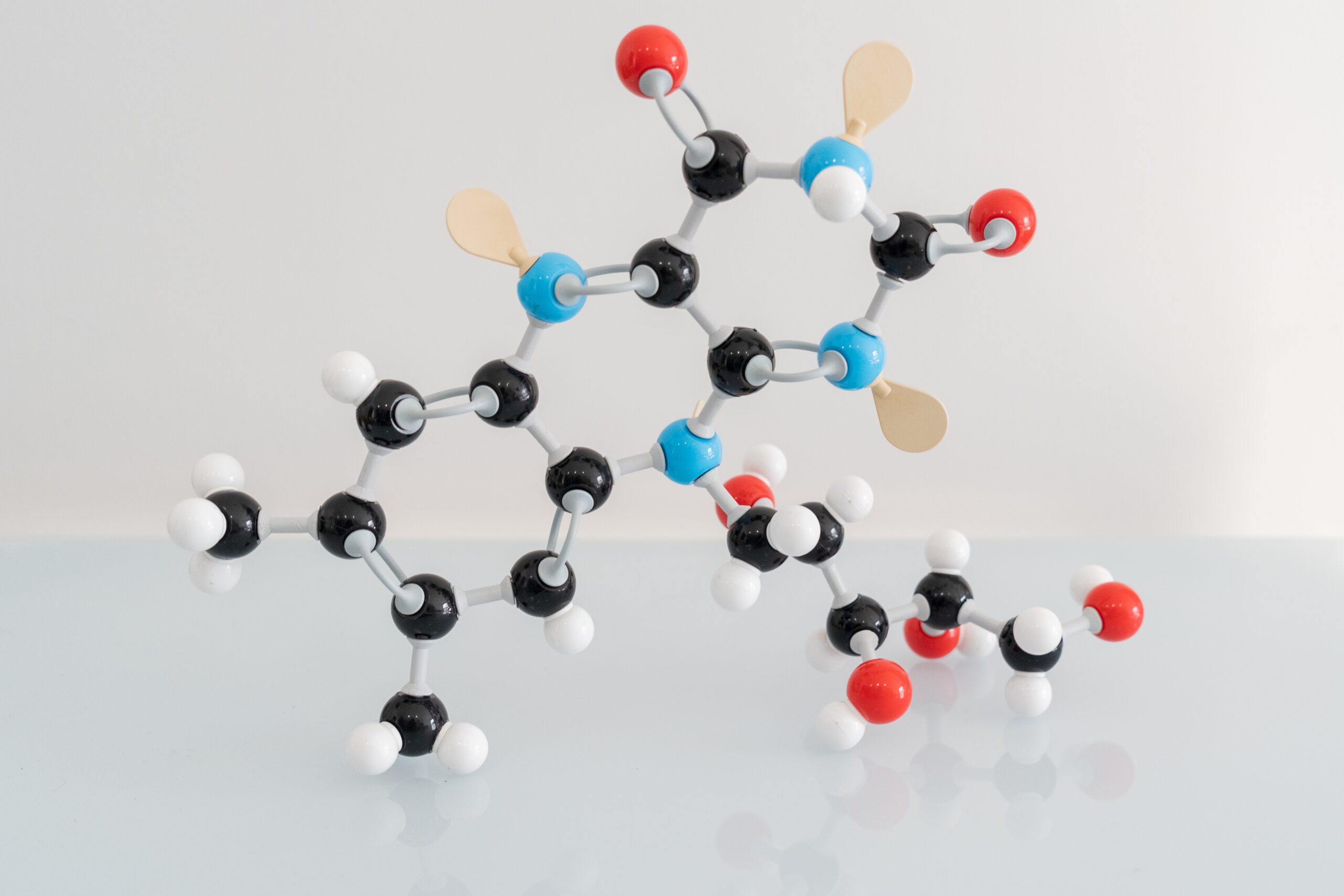
Riboflavin, or vitamin B12, is a water-soluble vitamin named after the Latin word flavus due to its yellowish color. It serves as an essential component of two key coenzymes: flavin mononucleotide (FMN) and flavin adenine dinucleotide (FAD).
These coenzymes are vital for energy production, cellular function, growth, and the metabolism of fats, drugs, and steroids. Riboflavin, along with other B-complex vitamins, helps metabolise calories and supports red blood cell production. Additionally, it acts as an antioxidant, improving skin appearance and slowing the ageing process.
Since it is not stored in large amounts, deficiency can lead to fatigue, blurred vision, and skin issues like dermatitis or cracks around the mouth. It is crucial for maintaining overall development and healthy vision.
Calcium Pantothenate (Vitamin B5)
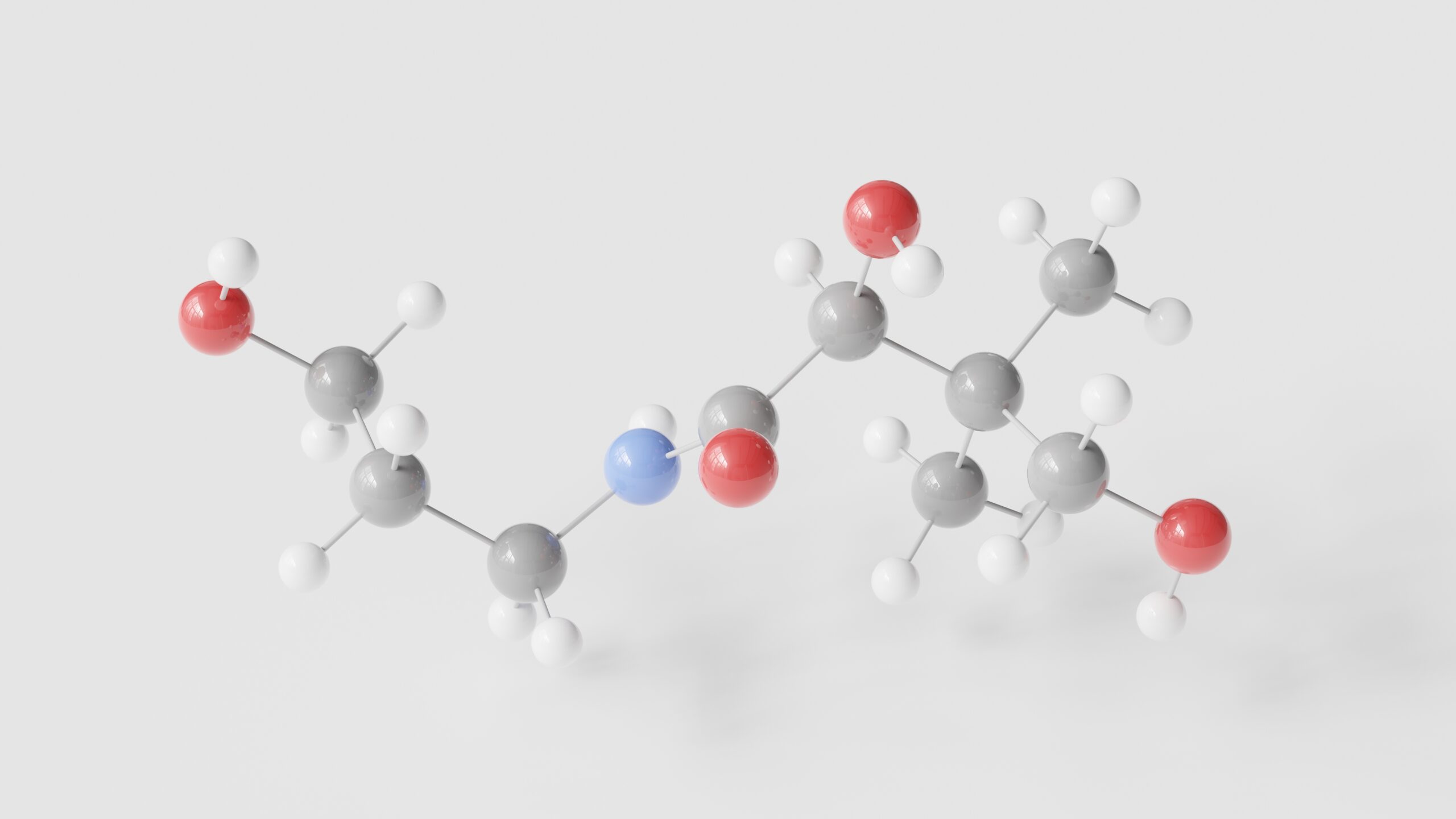
Pantothenic acid, or vitamin B5, is an essential water-soluble nutrient primarily used for the synthesis of coenzyme A (CoA) and acyl carrier protein. These are critical for fatty acid synthesis, degradation, and various anabolic and catabolic processes.
Most dietary B5 exists as CoA, which digestive enzymes convert into pantothenic acid for intestinal absorption. It is then transported via red blood cells to tissues. In supplements, calcium pantothenate is preferred due to its chemical stability and longer shelf life.
Vitamin B5 supports the metabolism of fats and proteins, steroid synthesis, and neurotransmitter production. It helps manage stress, anxiety, and skin disorders while boosting immunity and ensuring the proper functioning of all organ systems. Although human deficiency is rare, B5 remains vital for physical growth and resistance to infections.
Pyridoxine (Vitamin B6)
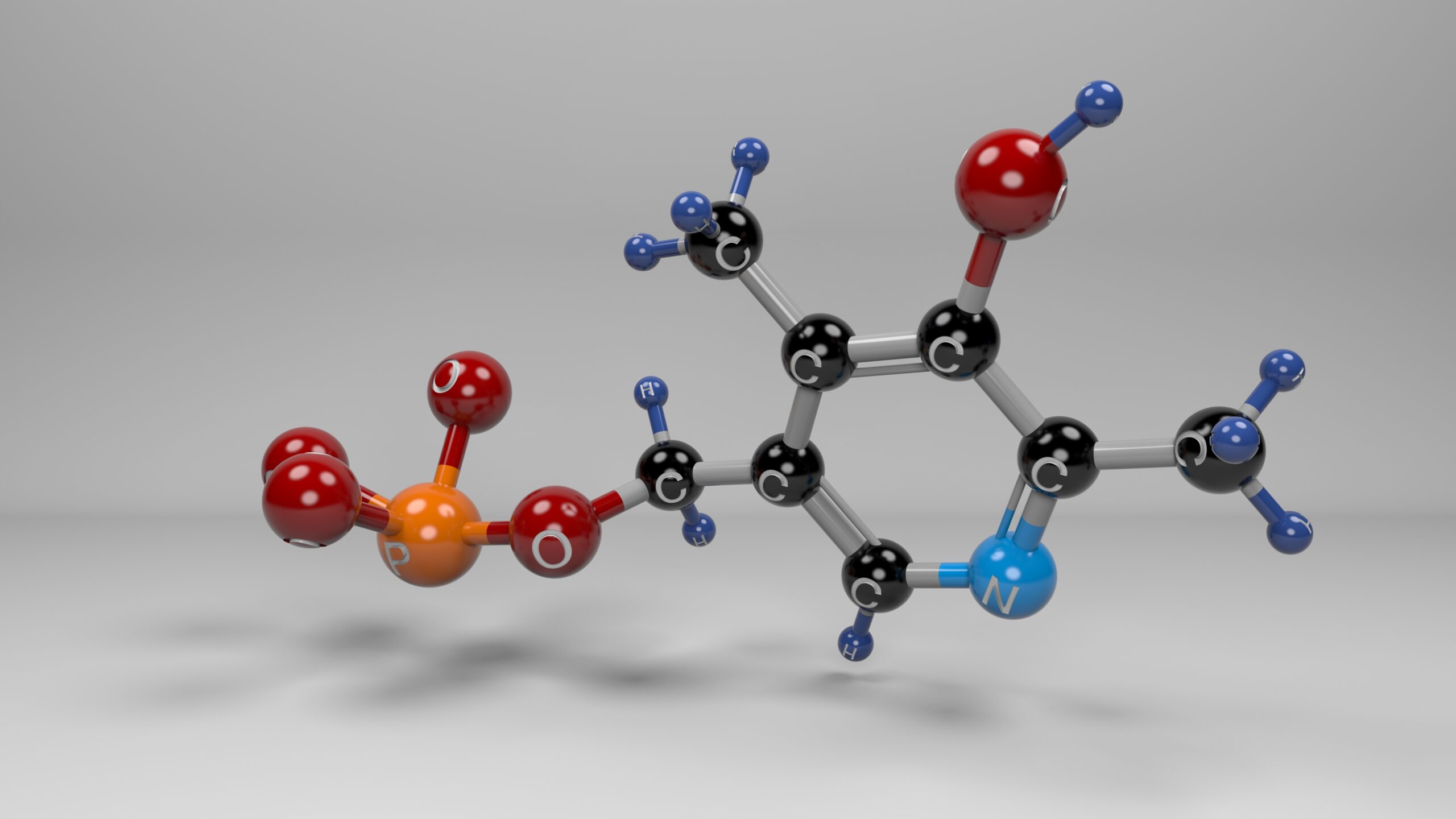
Pyridoxine is a water-soluble B vitamin essential for numerous biochemical reactions. Its biologically active coenzyme form, pyridoxal 5′-phosphate (PLP), serves as the primary indicator of vitamin B6 status in the body.
PLP is involved in amino acid and glycogen metabolism, nucleic acid synthesis, and the production of hemoglobin and sphingomyelin. It plays a critical role in the formation of vital neurotransmitters, including serotonin, dopamine, norepinephrine, and GABA.
In supplements, pyridoxine hydrochloride is commonly used, as the body efficiently converts this salt into active PLP. Beyond supporting brain function and converting protein into energy, vitamin B6 works alongside folic acid and vitamin B12 to reduce homocysteine levels in the blood, supporting cardiovascular health.
Vitamin D3
Vitamin D3 (cholecalciferol) is a fat-soluble vitamin synthesized in the skin through UV radiation or obtained via diet. Initially inactive, it undergoes two hydroxylation steps: first in the liver to form calcifediol, and then in the kidneys to become the active form, calcitriol.
Active vitamin D3 binds to receptors found in nearly all cells, primarily promoting calcium absorption to ensure bone mineralization and prevent hypocalcemic tetany. It is essential for bone growth and protecting against rickets, osteomalacia, and osteoporosis. Beyond bone health, it reduces inflammation and regulates immune function, glucose metabolism, and cell growth. By influencing genes involved in cell differentiation, Vitamin D3 also supports blood pressure regulation and helps in the management of conditions like diabetes and multiple sclerosis.
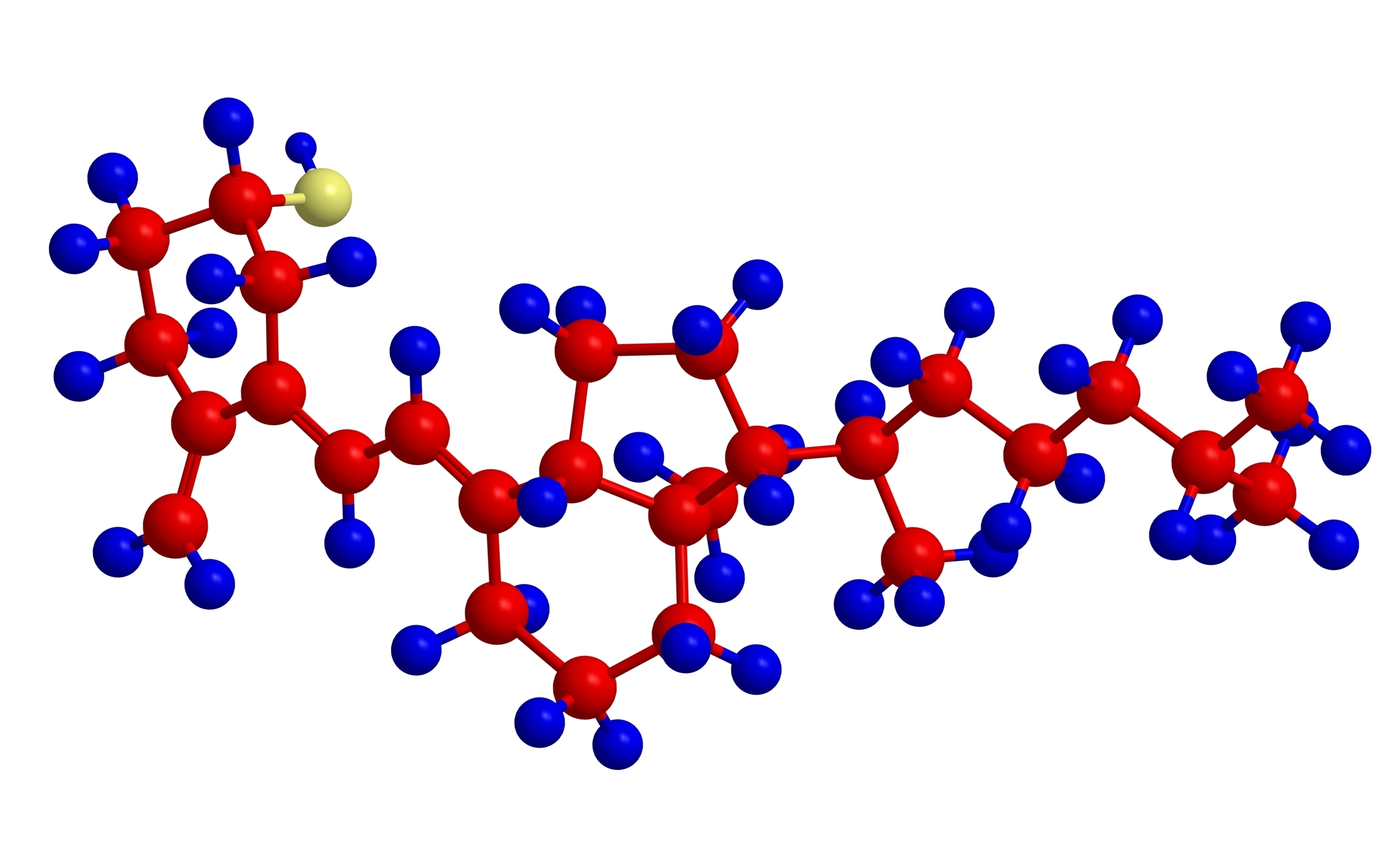
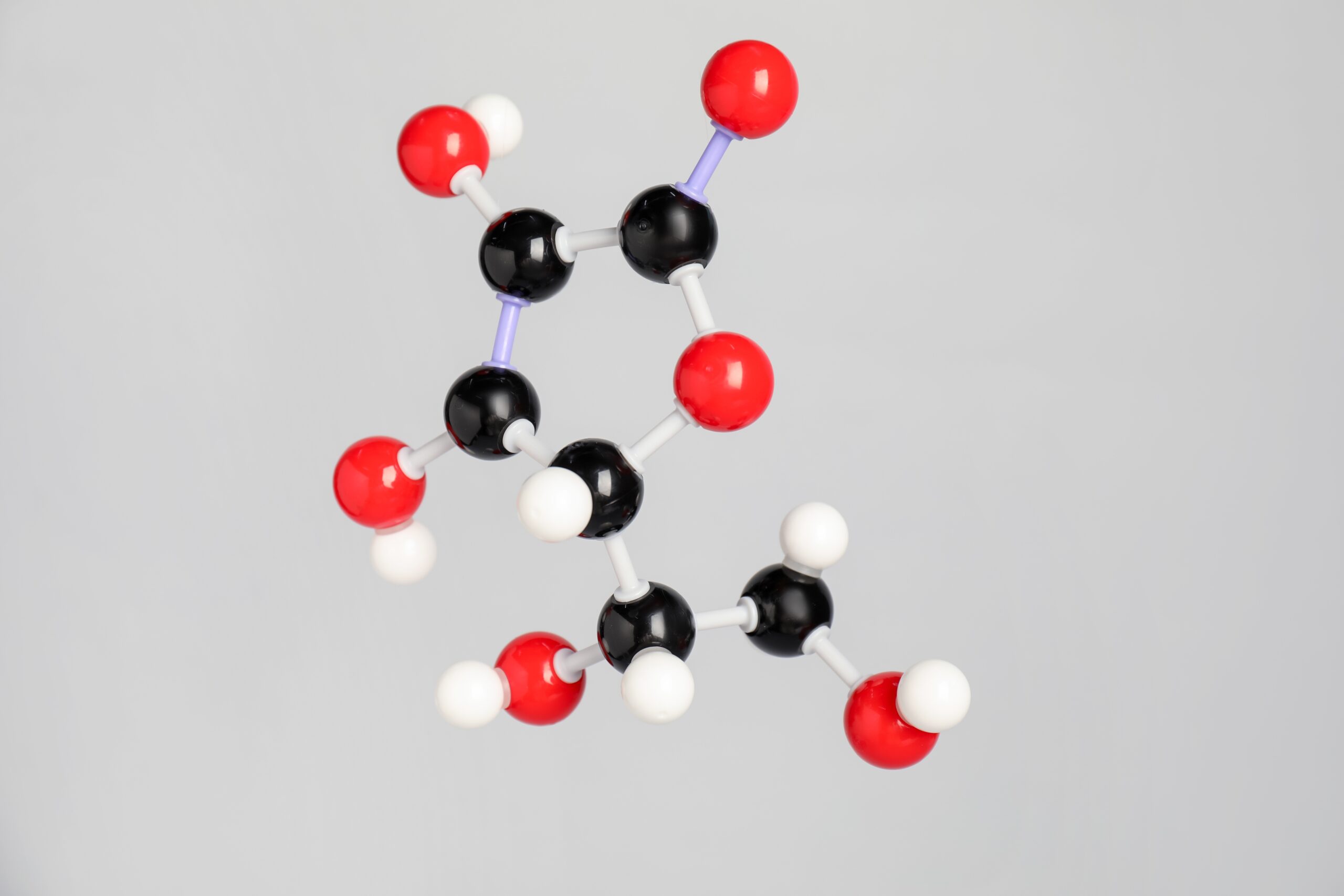
Ascorbic Acid (Vitamin C)
Vitamin C is a vital water-soluble nutrient. In the body, it exists as ascorbate or ascorbic acid depending on pH, and its oxidized form, dehydroascorbic acid, can be recycled back into its active state through reduction.
Ascorbic acid acts as a crucial cofactor for enzymatic reactions, supporting collagen synthesis, wound healing, L-carnitine production, and neurotransmitter biosynthesis. As a potent antioxidant, it donates electrons to protect proteins, lipids, and DNA from oxidative damage. It also helps regenerate other antioxidants, such as alpha-tocopherol (Vitamin E).
A deficiency impairs collagen formation, leading to connective tissue weakness and capillary fragility. By boosting immune function and supporting cardiovascular health, Vitamin C remains an essential biomolecule for systemic protection and structural integrity.
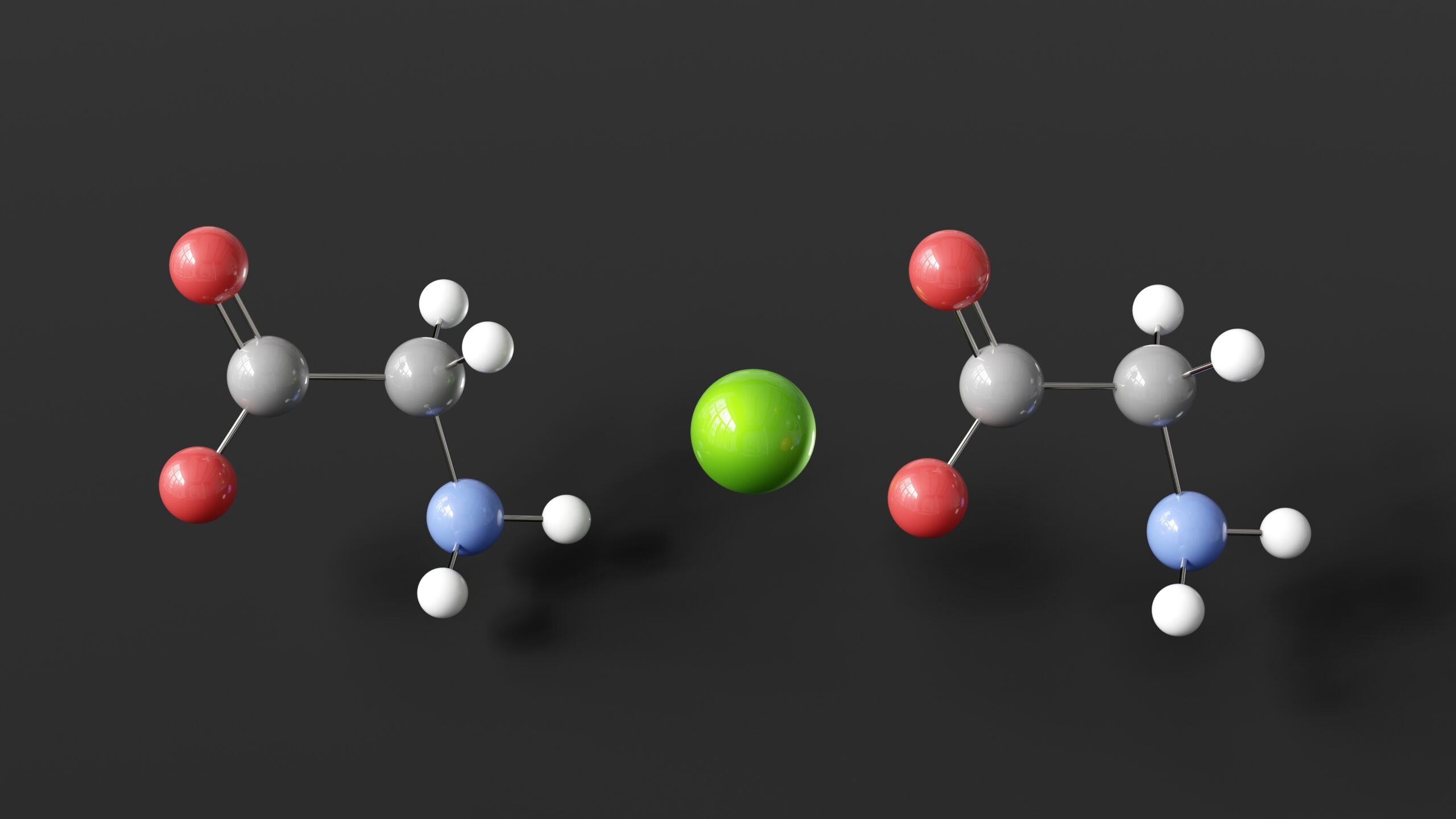
Magnesium (Mg)
Magnesium is a vital mineral that acts as a cofactor for over 300 enzymatic reactions. These enzymes regulate essential processes such as protein synthesis, muscle and nerve transmission, and the stabilization of blood glucose and blood pressure.
A primary function of magnesium is facilitating the active transport of calcium and potassium across cell membranes. This mechanism is critical for nerve impulse conduction, normal heart rhythm, and the proper contraction and relaxation of muscles. Magnesium also contributes to the structural development of bones, DNA, RNA, and mitochondria. Furthermore, it supports immune function through macrophage activation and antimicrobial activity.
Deficiency is linked to hypertension, atherosclerosis, and dysrhythmia. By assisting in calcium utilization, magnesium supports dental health and bone strength while ensuring efficient energy metabolism and recovery.
Zinc (Zn)
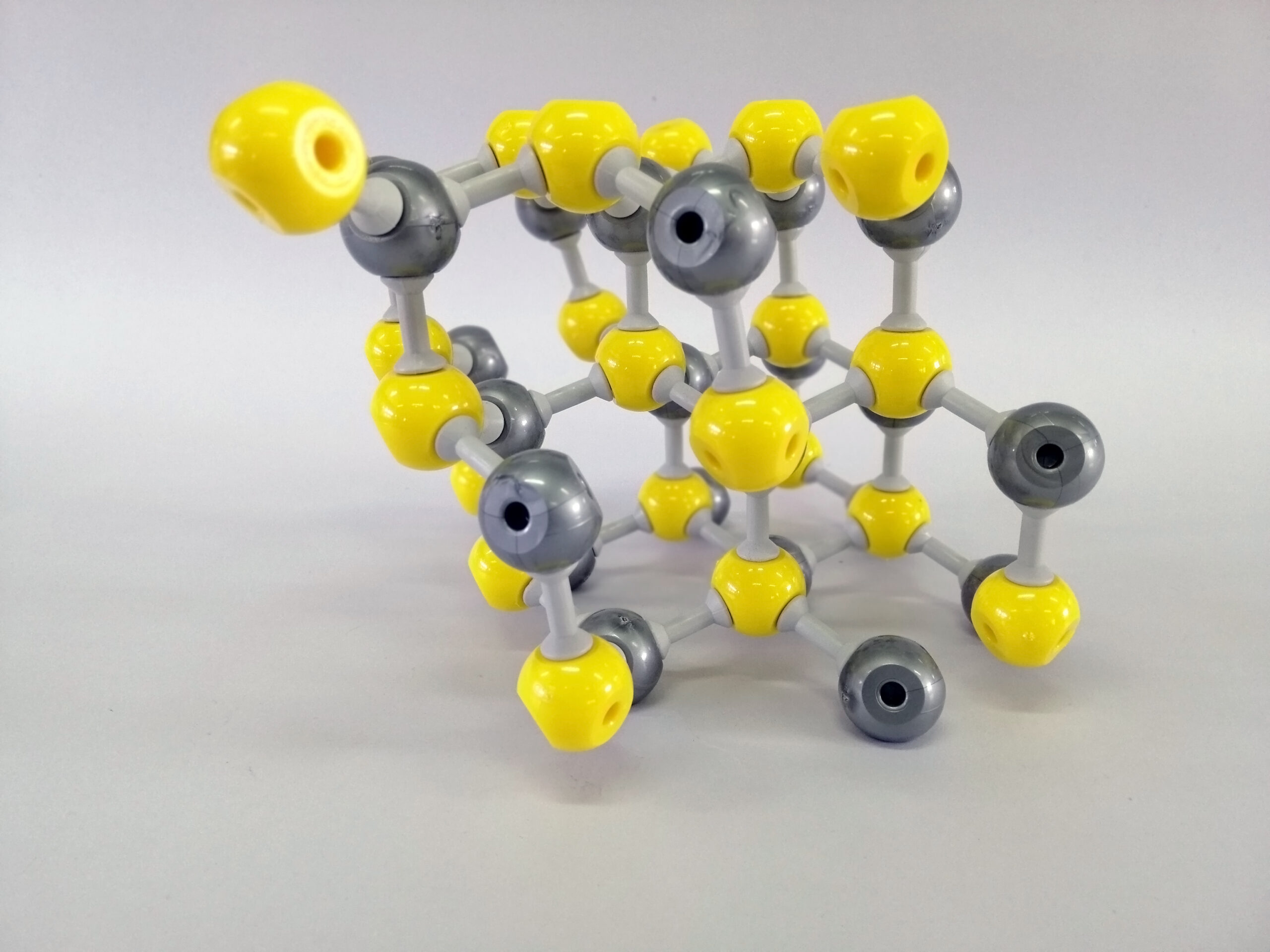
Zinc is an essential trace mineral naturally present in many foods and commonly found in over-the-counter cold remedies. It plays a foundational role in cellular metabolism, serving as a necessary component for the catalytic activity of approximately 100 different enzymes.
Zinc is vital for immune function, DNA synthesis, cell division, and protein formation. Because the body lacks a specialized storage system for this mineral, a consistent daily intake is required to maintain adequate levels. It is particularly crucial for normal growth and development during pregnancy, childhood, and adolescence.
Beyond its role in tissue repair and wound healing, zinc is required for the proper functioning of the senses, specifically taste and smell. Even in small amounts, it remains indispensable for maintaining systemic health and supporting the body’s natural defense mechanisms.
Silicon (Si)
Silicon is an essential mineral naturally present in the human body, acting as a structural cornerstone for connective tissues, bones, skin, hair, and nails. It plays a significant role in maintaining tissue integrity and overall metabolic health.
As a stabilizing force, silicon contributes to the formation and maintenance of collagen and keratin, which are critical for healthy bones, cartilage, and ligaments. It supports bone mineralization by facilitating the efficient incorporation of calcium and magnesium into bone tissue, helping maintain optimal density and joint mobility.
Beyond its structural role, silicon works to promote elasticity and resilience in tendons and arterial walls, supporting long-term cardiovascular health. By contributing to vital protein synthesis, it also helps prevent hair loss and restores a youthful, healthy appearance to the skin and nails.
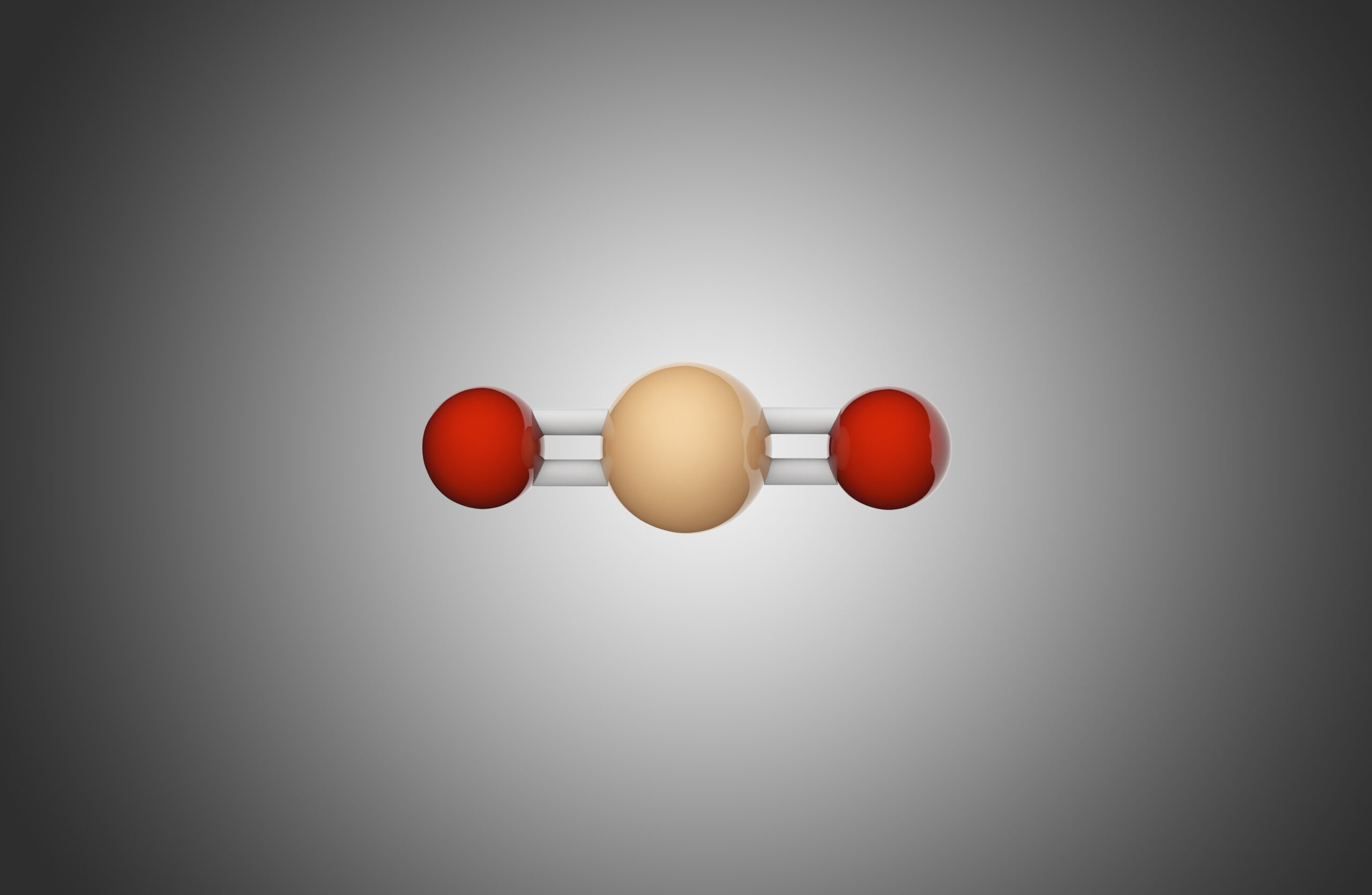
Hyaluronic Acid
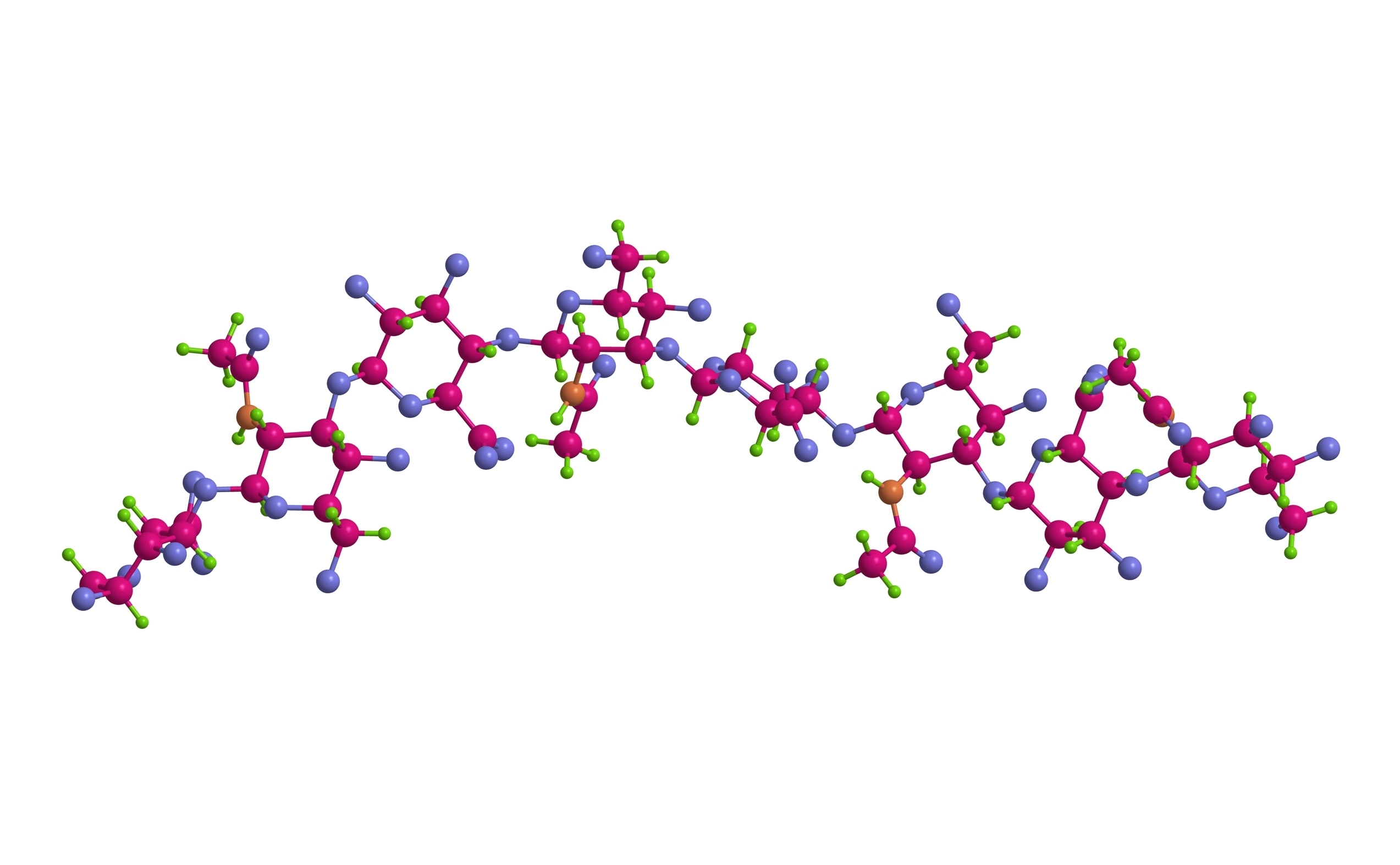
Hyaluronic acid is a naturally occurring substance found in high concentrations within the eyes, joints, and connective tissues, where it acts as a primary lubricating and hydrating agent. It plays a foundational role in maintaining tissue elasticity, moisture retention, and overall structural fluidity.
In the body, hyaluronic acid serves as a vital component of synovial fluid, effectively lubricating joints to cushion bones, reduce friction, and alleviate joint discomfort. It is widely recognized for its exceptional ability to retain moisture, which supports deep hydration, promotes healthier, more supple skin, and accelerates natural tissue repair and wound healing.
Beyond its crucial role in joint mobility and skin vitality, hyaluronic acid contributes to preserving bone strength and soothing the mucosal lining of the digestive tract to ease acid reflux symptoms. By replenishing the body’s natural fluids, it remains an indispensable ingredient for systemic hydration, recovery, and long-term tissue resilience.
Collagen (Fortigel)
Collagen is the primary structural protein in the body’s connective tissues and the most abundant protein in mammals, making up 25–35% of total body protein. Synthesized by specialized cells called fibroblasts, it forms elongated fibrils that provide essential strength, elasticity, and structure to skin, tendons, ligaments, bones, and cartilage.
To maximize bioavailability, hydrolyzed collagen (collagen peptides) is used in premium supplements because it is more efficiently absorbed by the body than intact collagen. Maintaining optimal collagen levels is vital to combat aging-related changes, support joint mobility, preserve skin elasticity, and prevent joint degeneration like osteoarthritis.
FORTIGEL® is a specialized, scientifically developed ingredient consisting of Bioactive Collagen Peptides® optimized specifically to stimulate joint cartilage regeneration. Backed by extensive clinical trials and advanced MRI imaging, FORTIGEL® directly activates chondrocytes (cartilage cells) to increase the biosynthesis of type II collagen and proteoglycans—the core building blocks required for joint lubrication and shock absorption. Proven to reduce activity-related joint pain and stiffness, this highly soluble, premium peptide matrix is an indispensable tool for long-term joint function, athletic performance, and mobility.

Melatonin
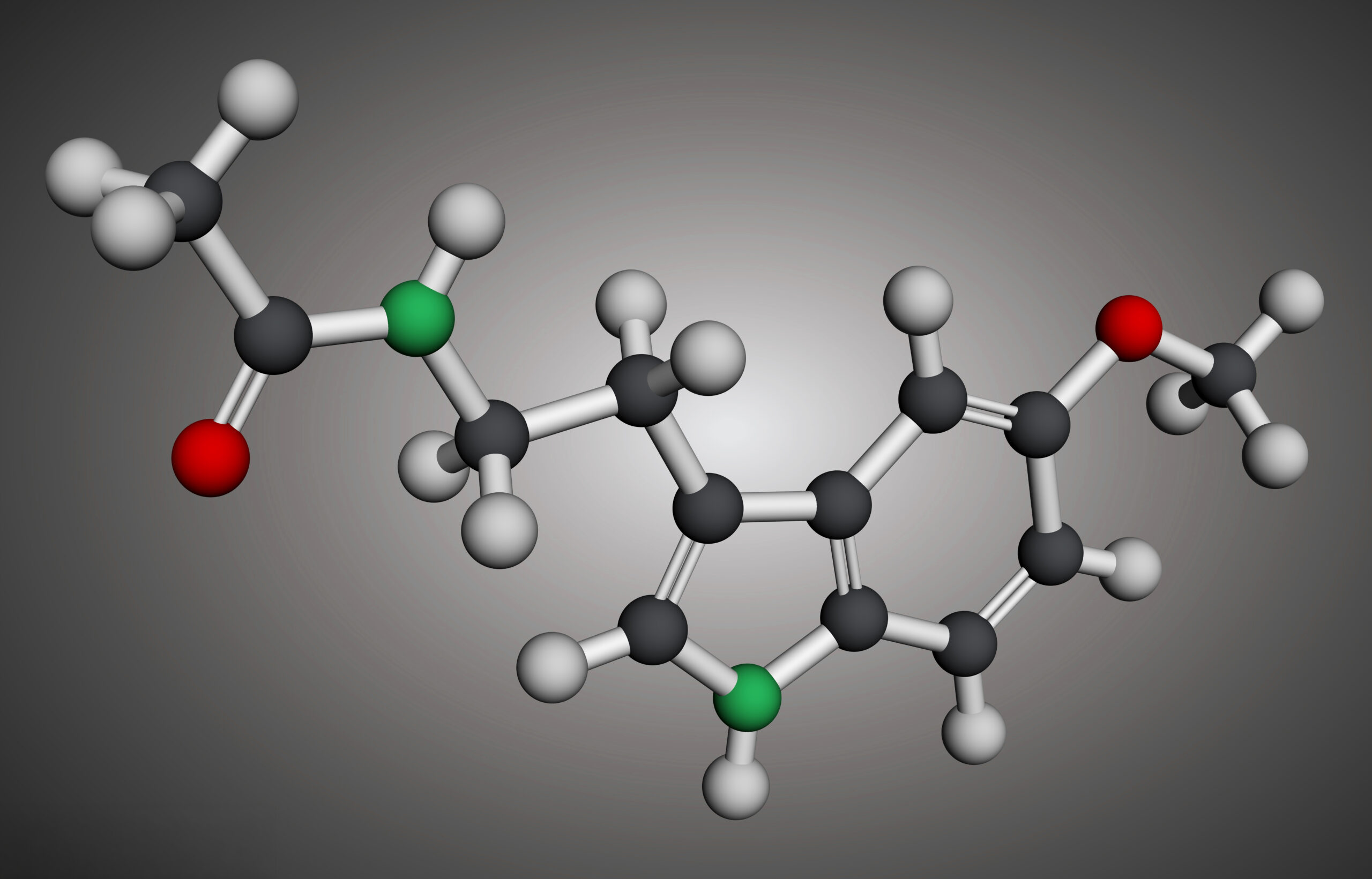
Melatonin is a naturally occurring hormone primarily produced by the pineal gland in the brain, playing a central role in regulating the body’s circadian rhythm, or sleep–wake cycle. Its secretion is intrinsically linked to light exposure, with levels rising in the evening to signal sleep readiness and dropping in the morning to promote alertness.
As a crucial regulator of rest, melatonin supports normal sleep onset and enhances overall sleep quality, making it highly effective at countering disruptions caused by jet lag, shift work, or age-related hormonal declines. Because the body’s natural production is easily compromised by modern stressors and artificial nighttime light, maintaining balanced levels is essential for establishing consistent, restorative rest patterns.
Beyond its foundational role in sleep, melatonin functions as a powerful antioxidant and neuroprotective agent that helps neutralize free radicals and shield cells from oxidative stress. By interacting with the immune system and assisting in the regulation of blood pressure and body temperature, it serves as an indispensable element for systemic balance and nighttime recovery.
Tocopherol (Vitamin E)
Vitamin E is an essential, fat-soluble vitamin and a powerful antioxidant that plays a foundational role in protecting cell membranes from oxidative damage. Rather than a single compound, it consists of a group of eight molecules, with α-tocopherol being the most biologically active form utilized by the human body to maintain cellular integrity and stability.
The primary biological function of vitamin E is to neutralize free radicals, shielding vital proteins, lipids, and DNA from oxidative stress. By protecting polyunsaturated fatty acids within cellular structures, it preserves normal tissue function, supports cellular signaling, and actively safeguards the skin from premature environmental and oxidative aging.
Beyond its role in cellular defense, vitamin E is a critical modulator of the immune system, influencing immune cell function and supporting a healthy inflammatory response. It further contributes to optimal cardiovascular and neurological health by promoting healthy blood circulation, protecting blood vessels, and preventing the oxidative degradation of lipids essential for long-term systemic vitality.
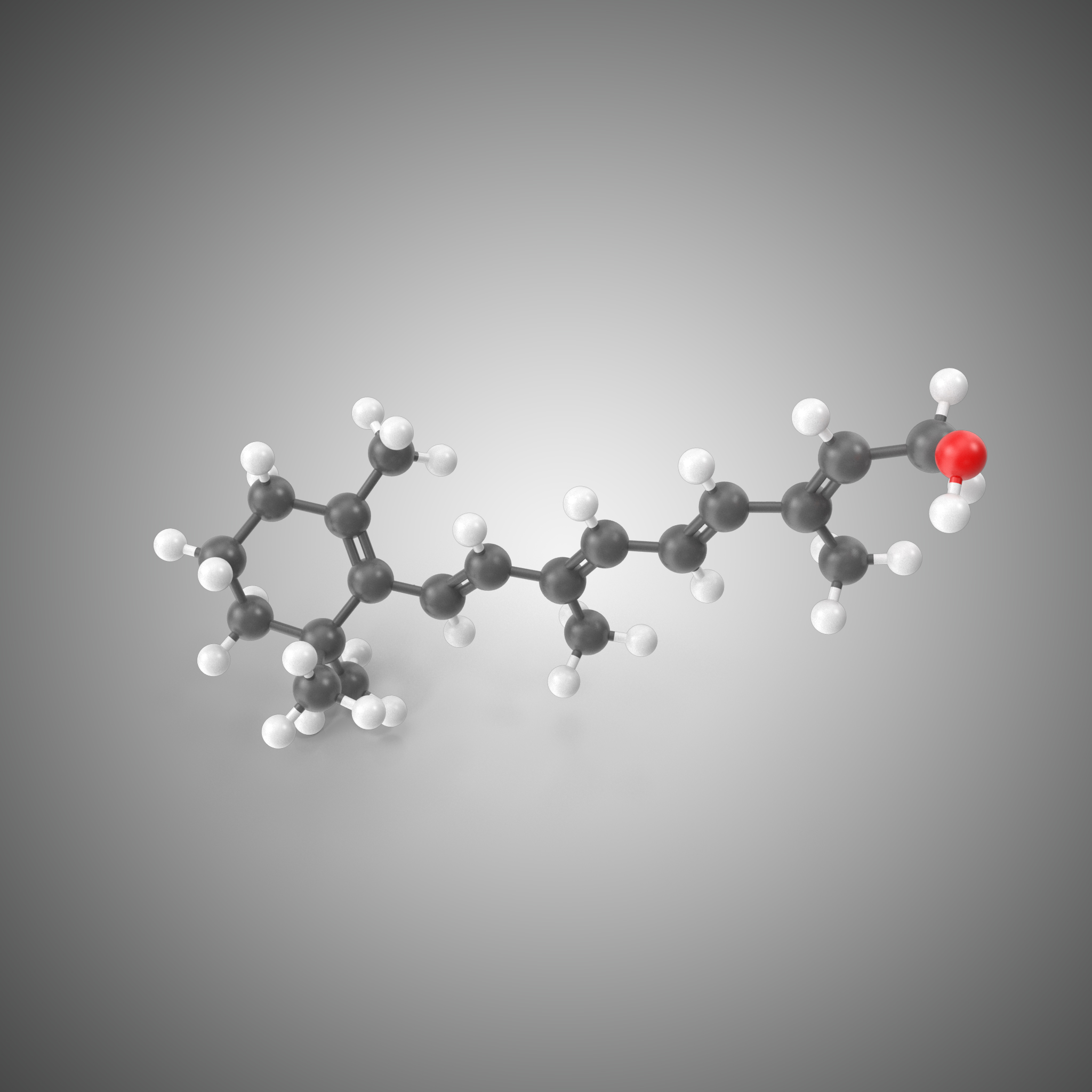
Retinol (Vitamin A)
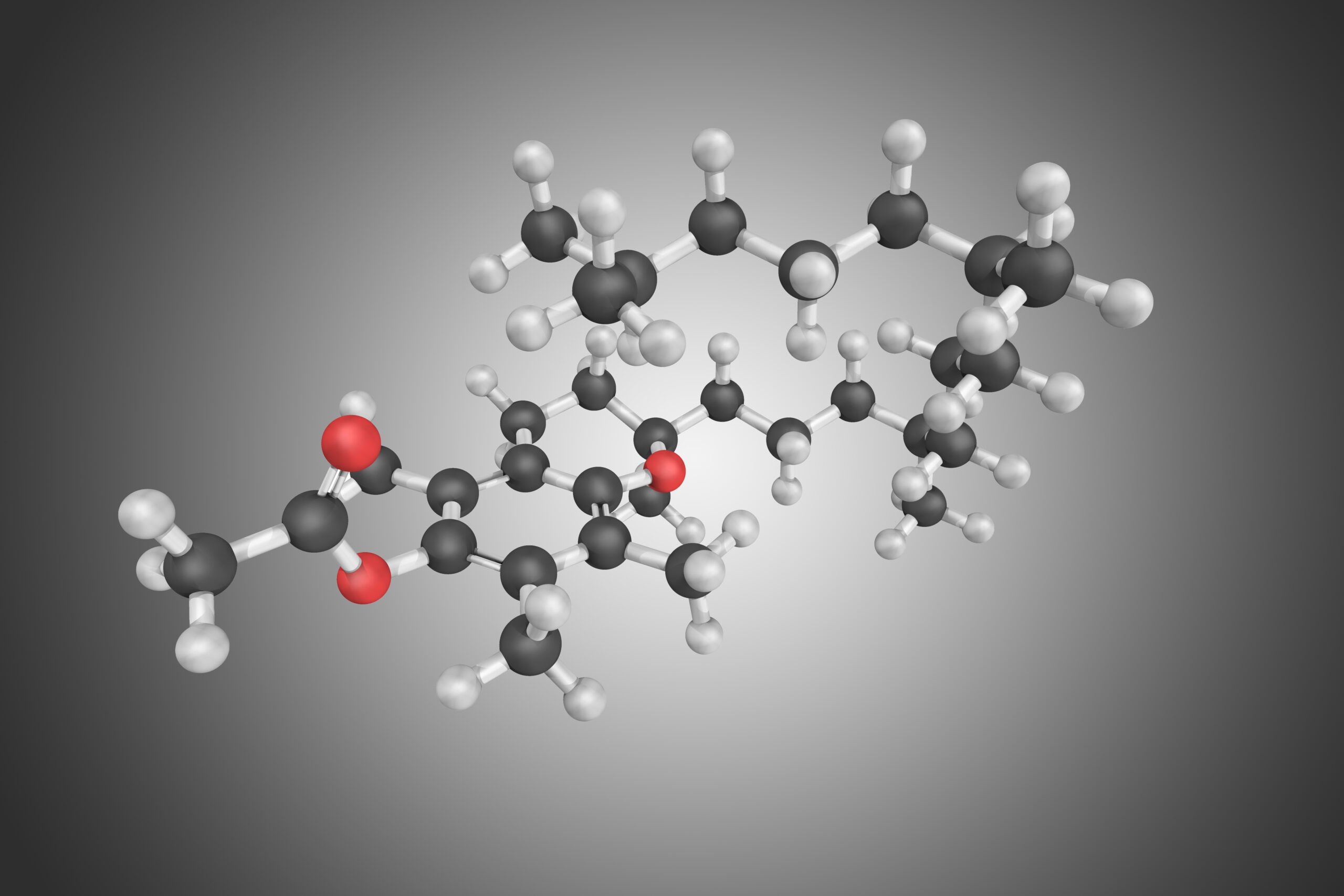
Vitamin A is a vital, fat-soluble vitamin that plays a foundational role in numerous physiological processes. It exists as preformed Vitamin A (such as retinol), which is readily utilized by the body, and provitamin A carotenoids (like beta-carotene), which are converted into active Vitamin A as needed to maintain adequate systemic levels stored within the liver.
This essential nutrient is critical for maintaining normal vision, particularly supporting the retina’s function and adaptation under low-light conditions. It also contributes significantly to the normal function of the immune system, helping the body reinforce its natural defenses and maintain healthy, resilient mucous membranes that act as primary barriers against infection.
Beyond its role in immunity and vision, Vitamin A supports overall cellular wellbeing by assisting in cell differentiation, tissue maintenance, and skin health. It is indispensable for normal growth and development, while its carotenoid precursors double as powerful antioxidants, protecting cells from oxidative stress and promoting long-term structural integrity.
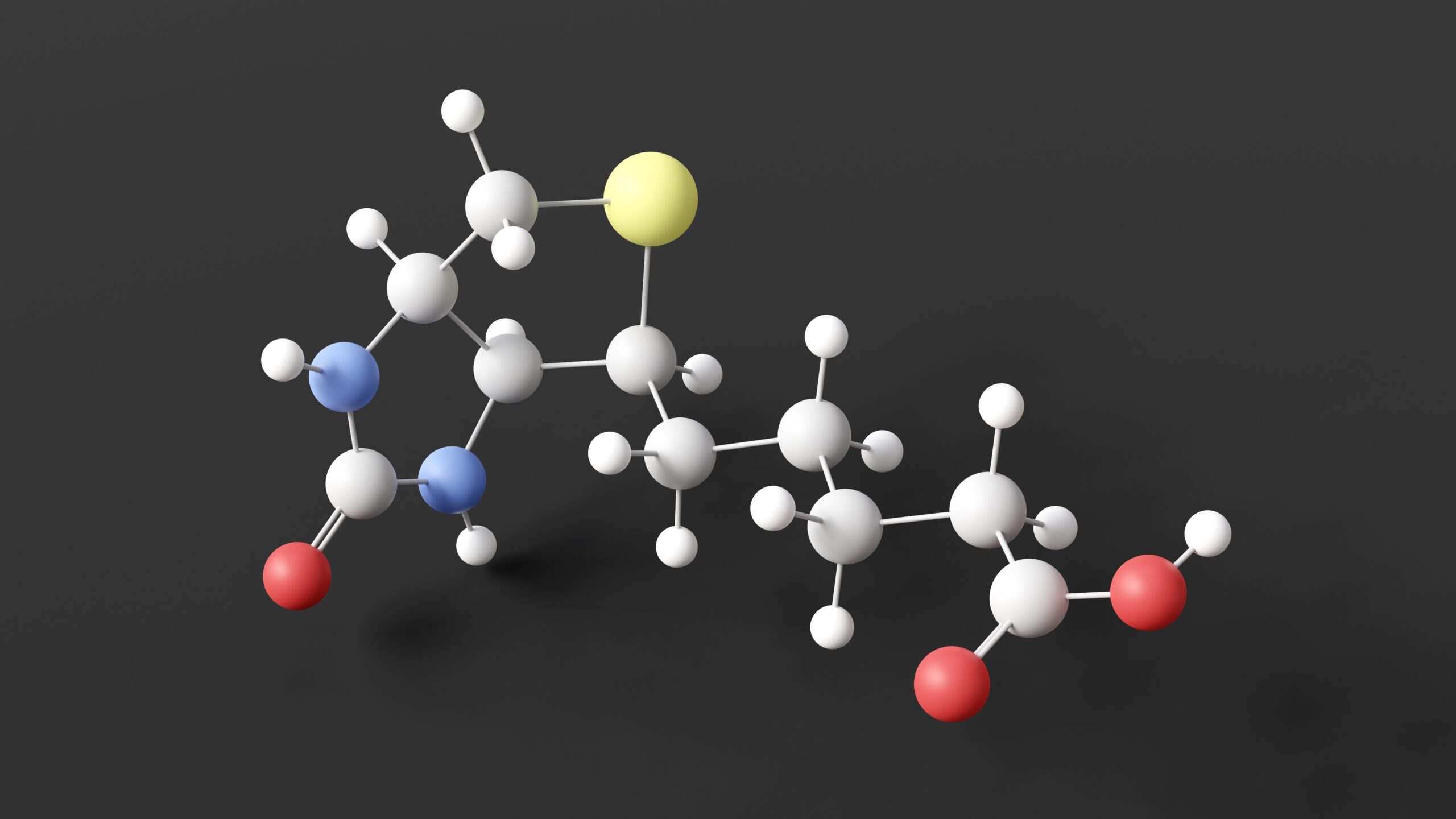
Biotin (Vitamin B7)
Vitamin B7, commonly known as biotin, is a water-soluble B-vitamin that acts as an essential coenzyme for carboxylase enzymes. It plays a foundational role in macronutrient metabolism, assisting the body in converting carbohydrates, fats, and proteins into accessible cellular energy while supporting the synthesis of vital fatty acids and amino acids.
Biotin is widely recognized for its ability to stimulate keratin production, a core structural protein critical for maintaining healthy, vibrant hair, resilient skin, and strong nails. By preserving skin barrier integrity and supporting cellular growth pathways, it enhances overall dermal health and aids in preventing structural brittleness.
Beyond its aesthetic benefits, biotin sustains optimal nervous system function and supports normal psychological well-being. By fueling energy metabolism within neurons, it contributes to steady cognitive performance and mood regulation. Highly absorbable and well-tolerated, this nutrient ensures both metabolic efficiency and systemic vitality.
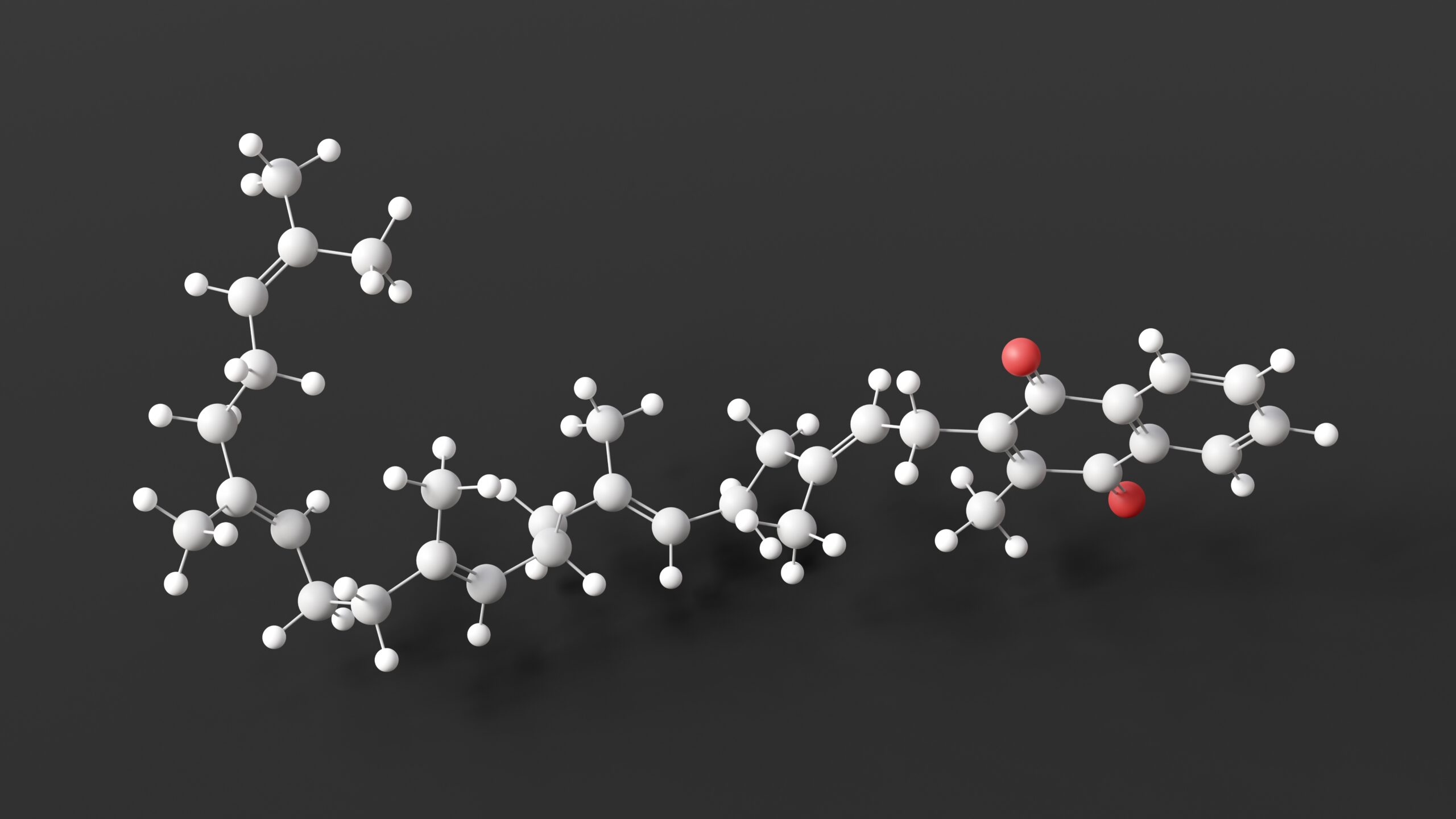
Menaquinone (Vitamin K2)
Vitamin K2 is a fat-soluble vitamin that plays a vital role in calcium metabolism, ensuring the body utilizes this essential mineral effectively. While it belongs to the vitamin K family, K2 has distinct physiological functions primarily focused on bone and cardiovascular health. It exists in several forms known as menaquinones, with MK-7 being particularly valued in premium formulations due to its superior bioavailability and longer half-life in the body.
The primary biological mechanism of Vitamin K2 is the activation of specific proteins that regulate calcium distribution throughout the system. It works synergistically with Vitamin D3; while Vitamin D enhances calcium absorption from the gut, Vitamin K2 acts as the guide, directing that calcium into bones and teeth where it is needed, rather than allowing it to accumulate in soft tissues like arteries.
By ensuring proper mineral distribution, Vitamin K2 maintains optimal bone strength and structural density while simultaneously preserving vascular health and arterial flexibility. Additionally, it supports normal blood clotting through vitamin K-dependent protein activation, making it a critical nutrient for long-term cardiovascular stability, skeletal integrity, and balanced mineral metabolism.
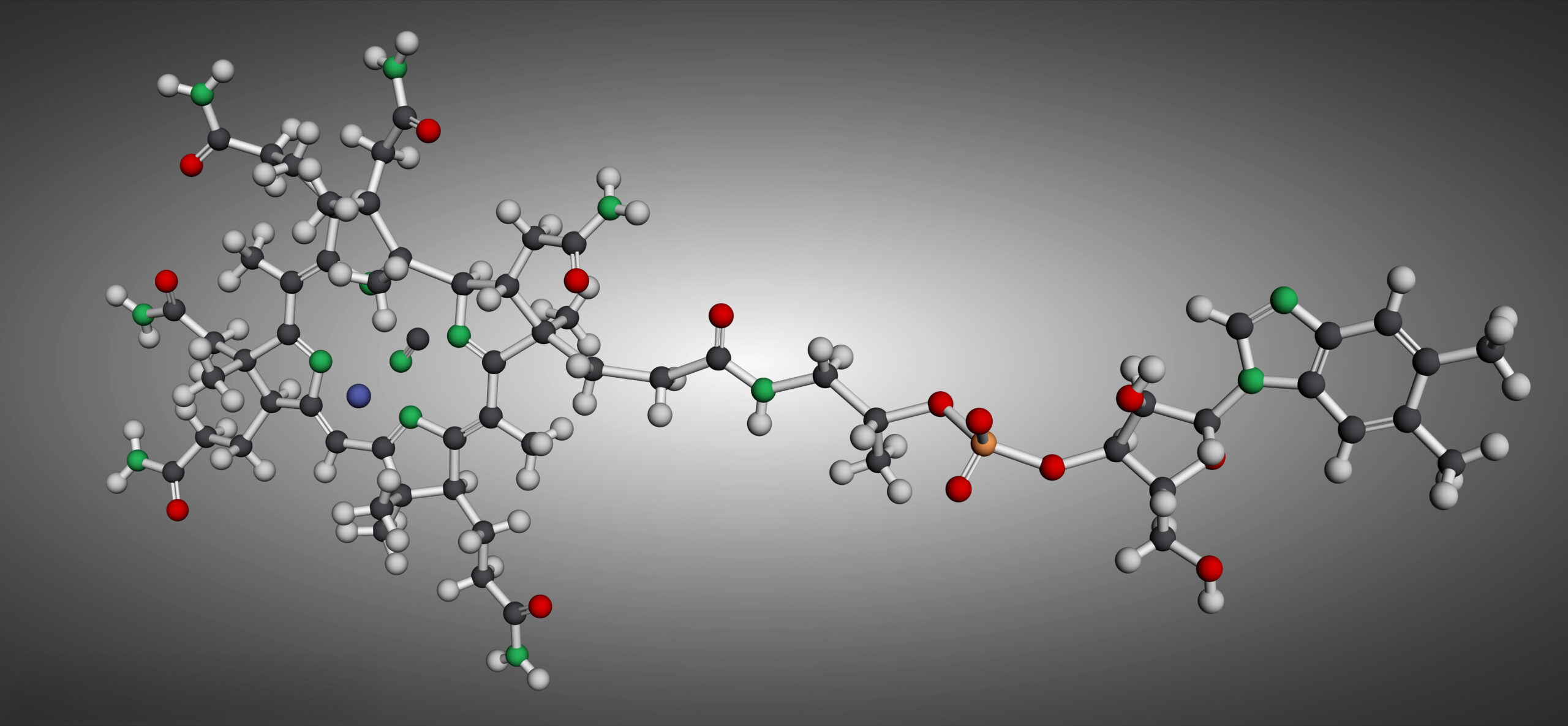
Vitamin B12 (Cobalamin)
Vitamin B12, also known as cobalamin, is an essential, water-soluble vitamin that plays a foundational role in energy production, nervous system health, and red blood cell formation. Unique for containing the mineral cobalt, it acts as a critical cofactor in complex biochemical processes that drive cellular activity and DNA synthesis.
A primary function of Vitamin B12 is supporting the formation of healthy red blood cells, which ensures efficient oxygen transport throughout the body and prevents anemia. It is equally indispensable for neurological health, participating directly in the maintenance of nerve cells and the synthesis of myelin—the protective sheath that insulates nerves and ensures swift cellular communication. Alongside folate and Vitamin B6, it regulates homocysteine metabolism, a crucial factor in maintaining cardiovascular and neurological balance.
Because Vitamin B12 is found almost exclusively in animal-derived foods, supplementation is highly relevant for vegetarians, vegans, and older adults who may experience reduced absorption due to lower stomach acid or intrinsic factor levels. Maintaining optimal levels activates metabolic pathways that efficiently release energy from food, drastically reducing tiredness and fatigue. Additionally, it bolsters immune system performance and drives proper cell division, ensuring continuous tissue renewal and steady cognitive function.
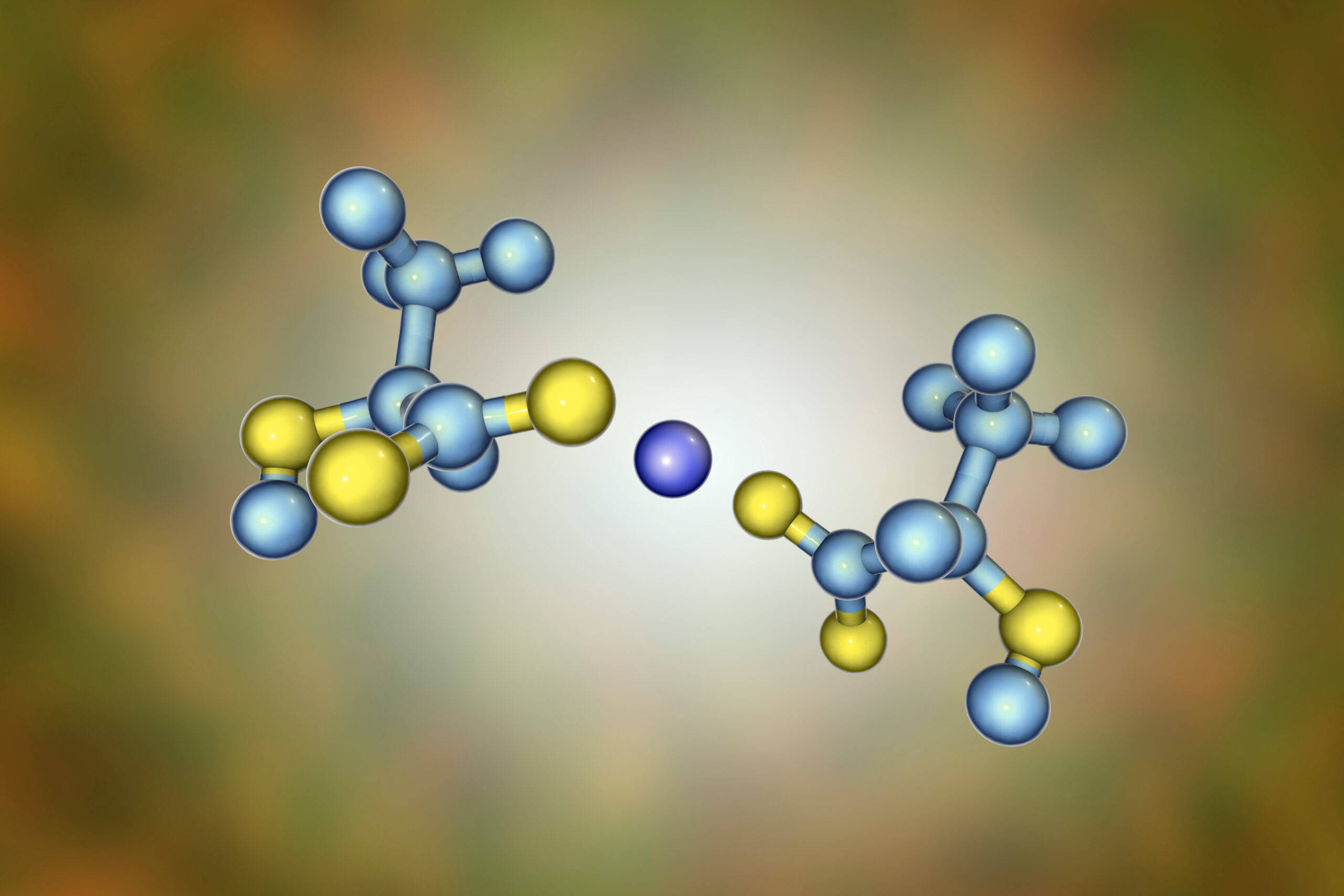
Calcium (Ca)
Calcium is an essential mineral and the most abundant mineral in the human body. While approximately 99% of the body’s calcium is stored within the skeleton to maintain bone density and dental strength, the remaining 1% circulates in the blood, muscles, and extracellular fluids, where it drives critical, life-sustaining physiological processes.
Beyond its foundational role in skeletal integrity, calcium is a vital trigger for normal muscle function, enabling the precise contraction and relaxation cycles necessary for physical movement. It is equally indispensable for the nervous system, facilitating rapid nerve signaling and communication between the brain and the rest of the body. Furthermore, calcium contributes to normal blood clotting, supports cellular division, and activates key enzymes and hormones that regulate daily metabolic reactions.
To maximize its efficacy, calcium relies heavily on a synergistic network of nutrients. Its absorption in the small intestine is actively enhanced by Vitamin D, while minerals like magnesium, phosphorus, and Vitamin K2 ensure it is properly directed into the bone matrix. Maintaining adequate calcium levels throughout life is essential for supporting skeletal development in youth and preserving bone mass during aging or periods of increased metabolic need.
Manganese (Mn)
Manganese is an essential trace mineral that, despite being required in small amounts, plays a critical role in metabolic health, bone development, and cellular defense. It functions as an indispensable cofactor for multiple enzymes that drive the metabolism of carbohydrates, amino acids, and cholesterol, thereby directly supporting the body’s energy production and nutrient utilization.
A primary biological function of manganese is its role in activating manganese superoxide dismutase (Mn-SOD), the principal antioxidant enzyme located within the mitochondria. This enzyme serves as a vital shield against oxidative stress by neutralizing free radicals, which helps preserve cellular health and protects tissues from premature degradation. Additionally, manganese is essential for normal neurological function, supporting optimal brain health and steady nerve signaling.
Beyond energy and cellular protection, manganese is required for the proper maintenance of the skeletal system. It participates directly in the synthesis of bone matrix components, including proteoglycans, which are vital for building healthy cartilage, reinforcing connective tissues, and supporting long-term joint mobility. While naturally available in various foods, its absorption rate from the gut is traditionally low, making consistent, bioavailable intake important for maintaining overall mineral balance.
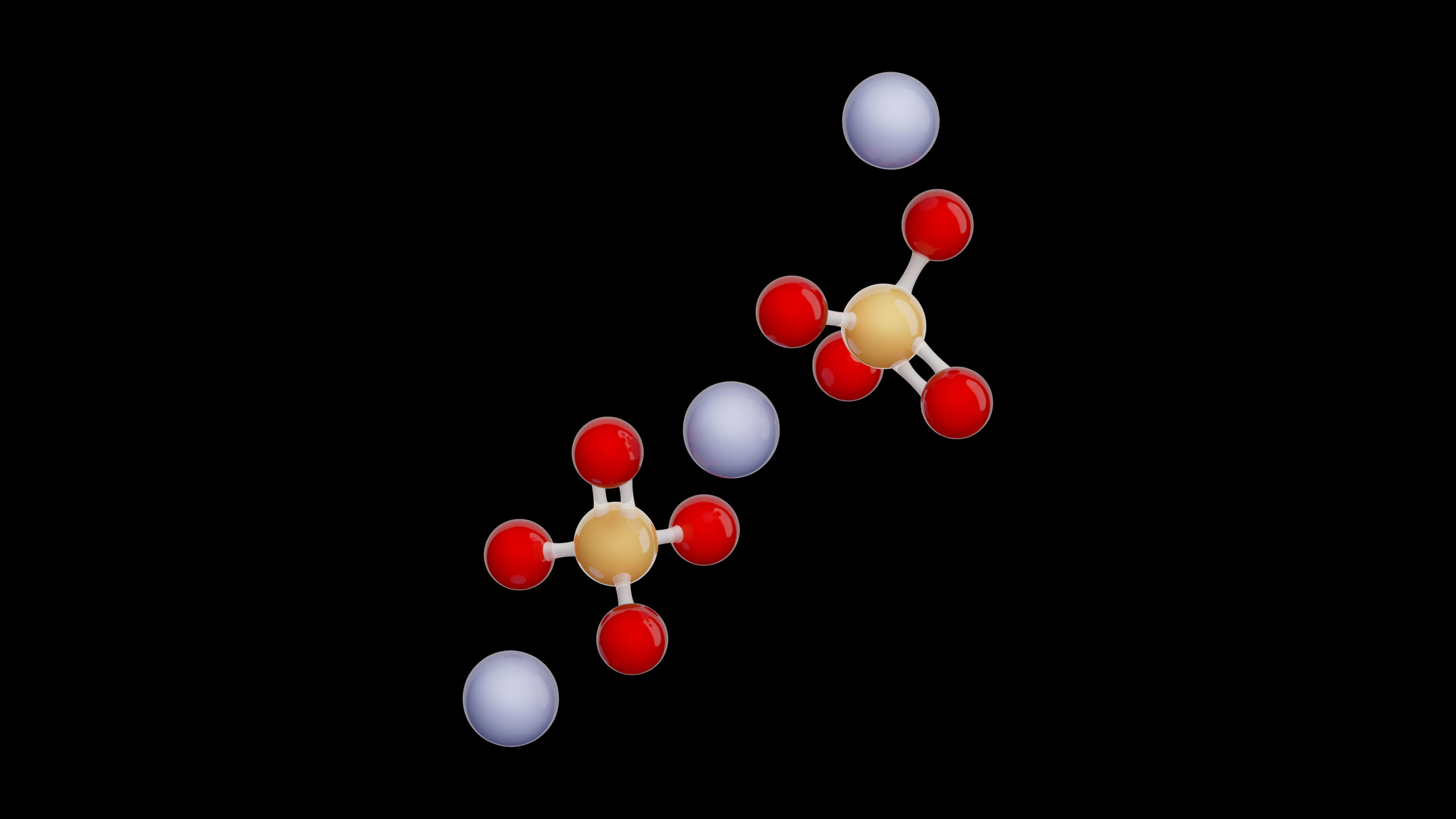

Copper (Cu)
Copper is an essential trace mineral that acts as a vital spark for the body’s cellular health, antioxidant defense, and structural integrity. Operating as a critical cofactor for a diverse array of enzymes, it regulates foundational physiological processes, including cellular energy production via cytochrome c oxidase and cellular protection through superoxide dismutase.
A primary function of copper is its intricate involvement in tissue repair and cardiovascular support. Working synergistically with Vitamin C, it enables collagen cross-linking to build strong bones, resilient cartilage, and flexible blood vessels, while actively facilitating wound healing and the development of new blood vessels. Furthermore, copper works in close partnership with iron, assisting in its metabolism to support healthy red blood cell formation and efficient systemic oxygen transport.
Beyond structural and blood health, copper sustains optimal nervous system activity and cognitive function by driving the synthesis of key neurotransmitters like dopamine and norepinephrine. It also regulates melanin production to maintain natural skin and hair pigmentation. Because copper absorption in the small intestine is closely balanced with other minerals—particularly zinc and iron—maintaining an optimal, proportional intake is essential to prevent oxidative stress and support long-term metabolic vitality.
Selenium (Se)
Selenium is an essential trace mineral that the human body cannot produce on its own, meaning it must be obtained through diet or supplementation. Even in microscopic quantities, it acts as a powerful micronutrient that is absolutely vital for sustaining multiple biochemical pathways, cellular defense, and metabolic regulation.
The primary mechanism of selenium is its integration into selenoproteins, a specialized group of proteins that feature selenium as part of their structural core. Most notably, it serves as a foundational component of glutathione peroxidase, one of the body’s most potent antioxidant enzymes. By actively neutralizing harmful free radicals, selenium provides robust cellular defense, shielding cell membranes, tissues, and vital organs from oxidative stress and premature aging.
Beyond its protective role, selenium is highly concentrated within the thyroid gland, where it acts as a critical regulator of thyroid hormone production and metabolism, directly influencing overall energy balance, growth, and metabolic rate. It further bolsters immune system performance, supports healthy hair and nails, and plays an important role in reproductive health by promoting normal spermatogenesis. Efficiently absorbed in the gut, maintaining optimal selenium levels is a key strategy for reinforcing the body’s natural defenses and endocrine stability.
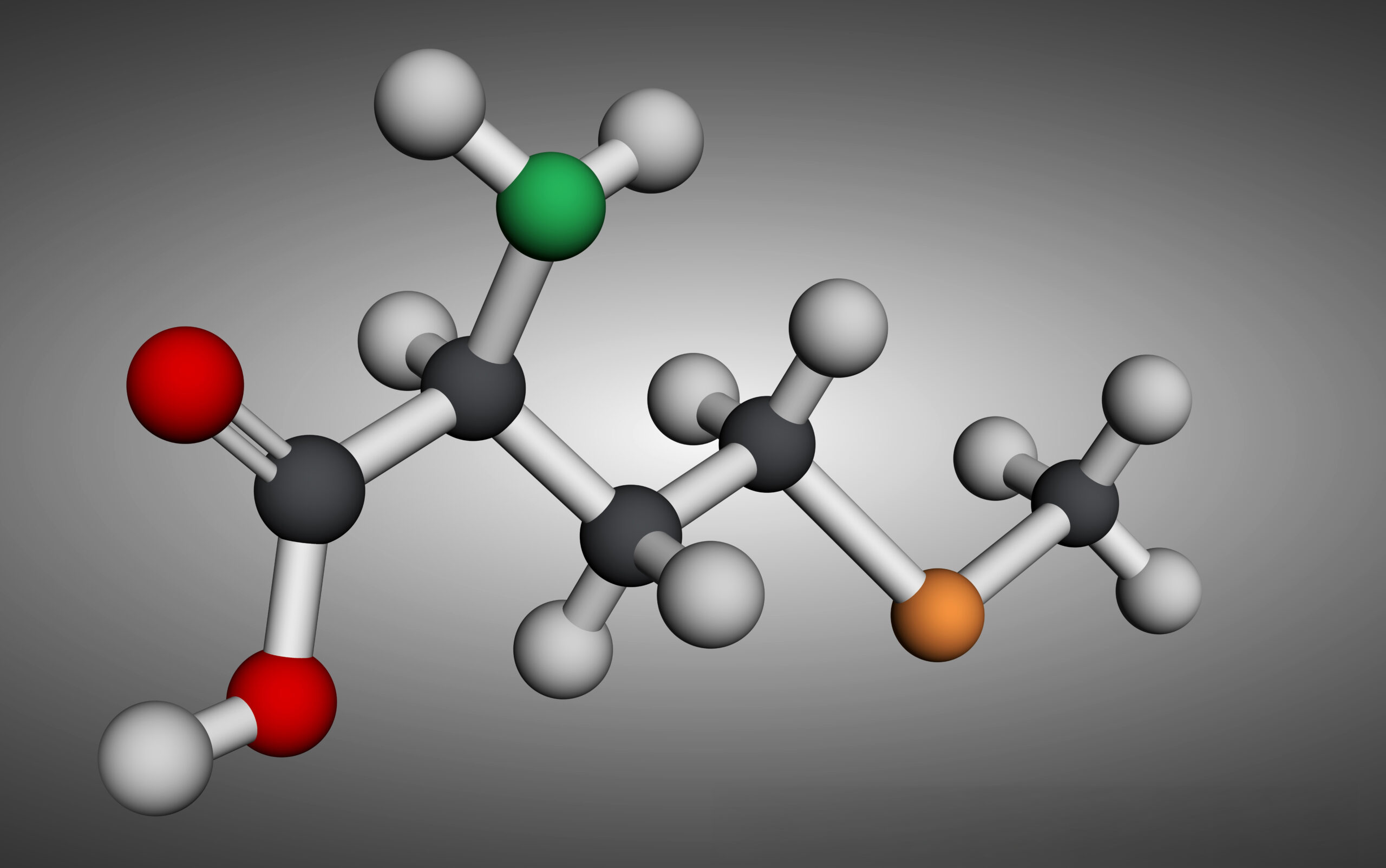

Iron (Fe)
Iron is an essential mineral that plays a central role in oxygen transport, cellular energy metabolism, and overall physical vitality. The vast majority of the body’s iron is concentrated within hemoglobin—the specialized protein in red blood cells that captures oxygen from the lungs and distributes it to tissues—and myoglobin, which binds and stores oxygen within muscle tissue to fuel physical movement.
The primary physiological benefit of maintaining optimal iron levels is the drastic reduction of fatigue and tiredness. By driving the efficient formation of red blood cells and hemoglobin, iron ensures a steady, uninterrupted supply of oxygen throughout the body. This systemic oxygenation directly supports normal cognitive function, sharpens mental clarity, and powers the enzymatic reactions required for cellular energy production.
Dietary iron is split into highly absorbable heme iron (from animal sources) and non-heme iron (from plant sources). Because non-heme iron absorption is more sensitive to dietary inhibitors like calcium or polyphenols, pairing it with enhancers like Vitamin C is a common strategy to maximize uptake. In premium food supplements, iron is frequently delivered in bioavailable ferrous forms (such as ferrous sulfate, fumarate, or gluconate) to counteract widespread deficiencies, sustain immune system performance, and optimize long-term metabolic and cellular health.
Chromium (Cr)
Chromium is an essential trace mineral required in minute quantities, primarily recognized for its vital role in blood glucose regulation and macronutrient metabolism. It serves as the core component of chromodulin, a specialized molecule that directly enhances the cellular action of insulin—the primary hormone responsible for transporting glucose out of the bloodstream and into cells for energy.
By maximizing insulin sensitivity, chromium acts as a metabolic catalyst that promotes the efficient catabolism of carbohydrates, lipids, and proteins. This optimization of metabolic pathways ensures that nutrients are effectively converted into accessible energy rather than stored as excess fat, naturally supporting physiological weight control and stable body composition.
Despite its critical functions, chromium absorption from the digestive tract is naturally low, typically falling below 2%. Once absorbed, it is strategically distributed to high-demand tissues such as the muscles, liver, kidneys, and bones. Maintaining adequate chromium levels is a foundational strategy for preventing impaired glucose tolerance, combating metabolic fatigue, and sustaining healthy, long-term lipid and blood sugar balance.

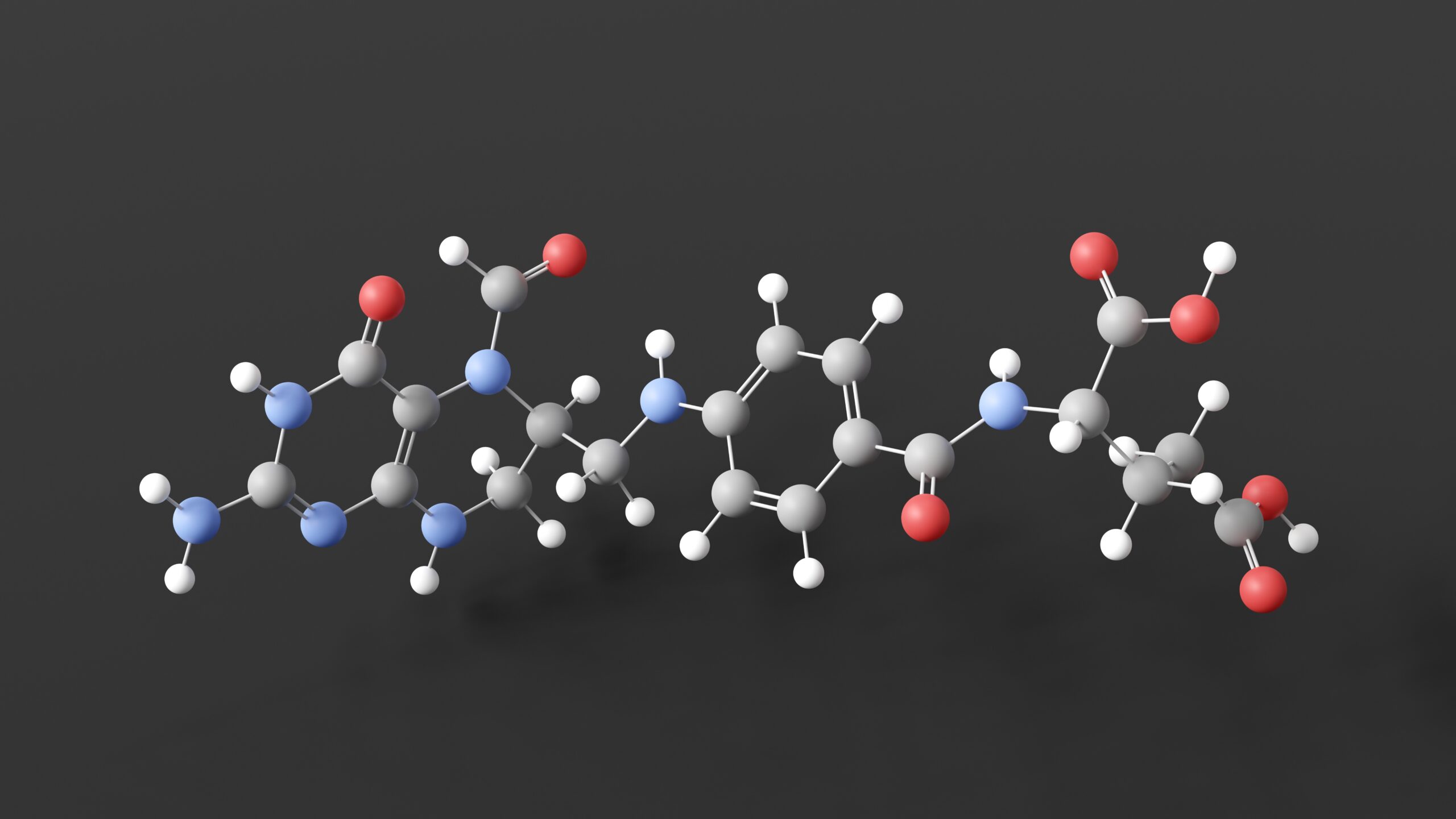
Folic Acid (Vitamin B9)
Folic acid, the highly stable and bioavailable form of Vitamin B9, is a water-soluble vitamin essential for cellular growth, tissue development, and DNA synthesis. Once converted by the body into its active coenzyme form, it participates in critical biochemical reactions, including nucleotide production (the building blocks of DNA and RNA) and amino acid metabolism, ensuring the efficient utilization of dietary proteins.
A cornerstone of prenatal and developmental health, Vitamin B9 contributes directly to maternal tissue growth during pregnancy and is globally recognized for its critical role in preventing neural tube defects in the developing fetus. Beyond pregnancy, folic acid drives continuous cell division and tissue renewal throughout life, making it indispensable for the rapid growth and regeneration of structural barriers, muscles, and organs.
In daily systemic maintenance, folic acid contributes to normal blood formation, supporting the production of healthy red blood cells for optimal oxygen transport. Together with Vitamins B6 and B12, it helps regulate homocysteine levels, preserving long-term cardiovascular and arterial health. By fueling cellular regeneration and supporting neurotransmitter pathways, it bolsters immune system performance, sustains mental and emotional well-being, and significantly reduces feelings of tiredness and fatigue.
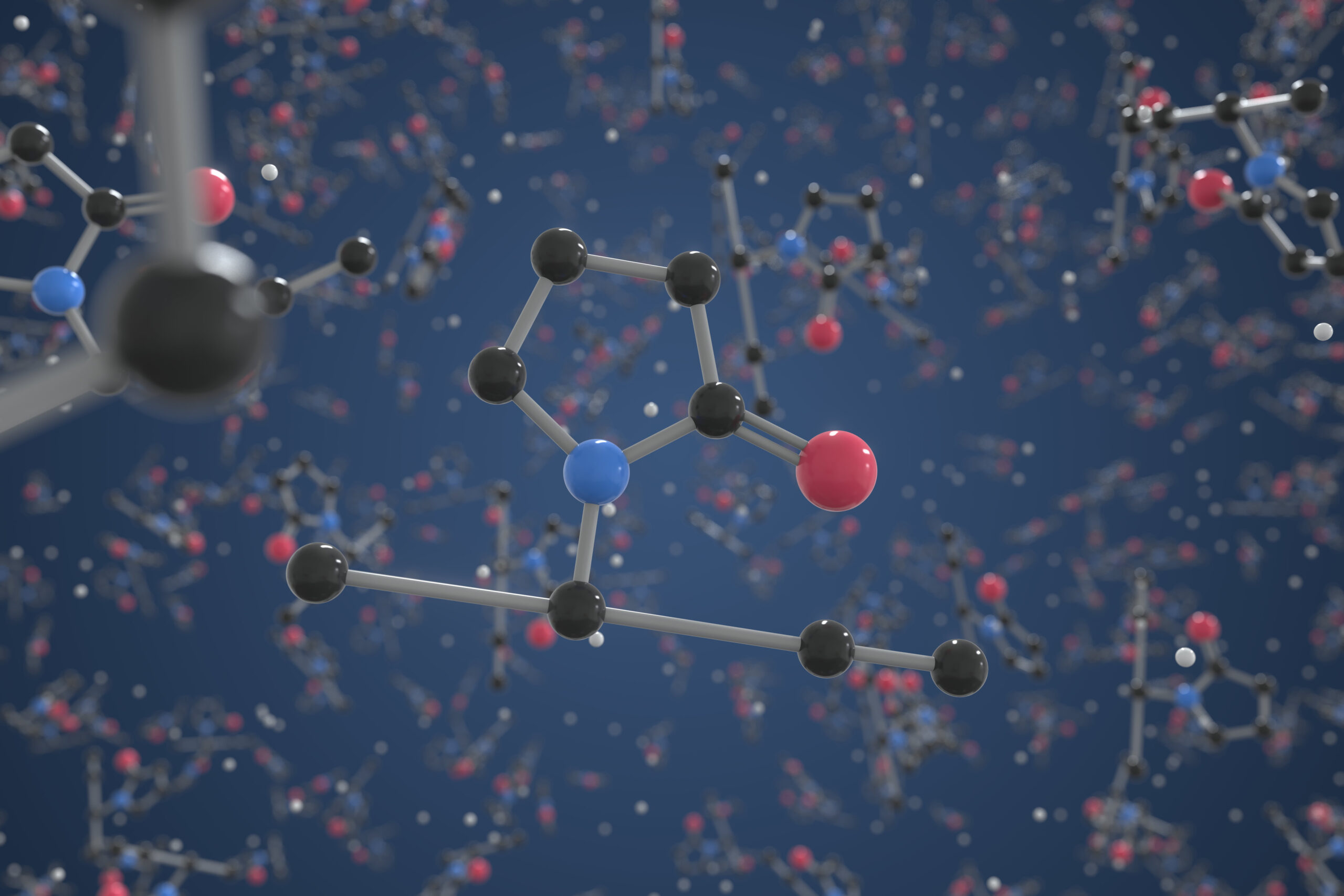
Iodine (I)
Iodine is a vital micronutrient that the body requires in small amounts but relies upon completely for endocrine balance and metabolic regulation. It serves as an indispensable structural building block for the thyroid hormones, thyroxine (T4) and triiodothyronine (T3), which act as the central control panel for how the body utilizes energy, grows, and develops.
The primary function of iodine is to support normal thyroid hormone production, which directly dictates the body’s basal metabolic rate. By regulating these hormones, iodine ensures efficient energy-yielding metabolism, helping cells systematically convert nutrients into usable fuel and maintaining overall metabolic balance across multiple bodily systems. Through this foundational hormonal regulation, it also indirectly supports broader endocrine health, including reproductive system function.
Beyond daily energy management, adequate iodine levels are absolutely critical for healthy growth and structural development, particularly within the brain and nervous system. Because the body cannot store iodine in large quantities, a consistent and reliable intake is essential to prevent thyroid strain (such as goiter), combat metabolic fatigue, and safeguard long-term cognitive and neurological vitality.
Ubiquinol (Coenzyme Q10)
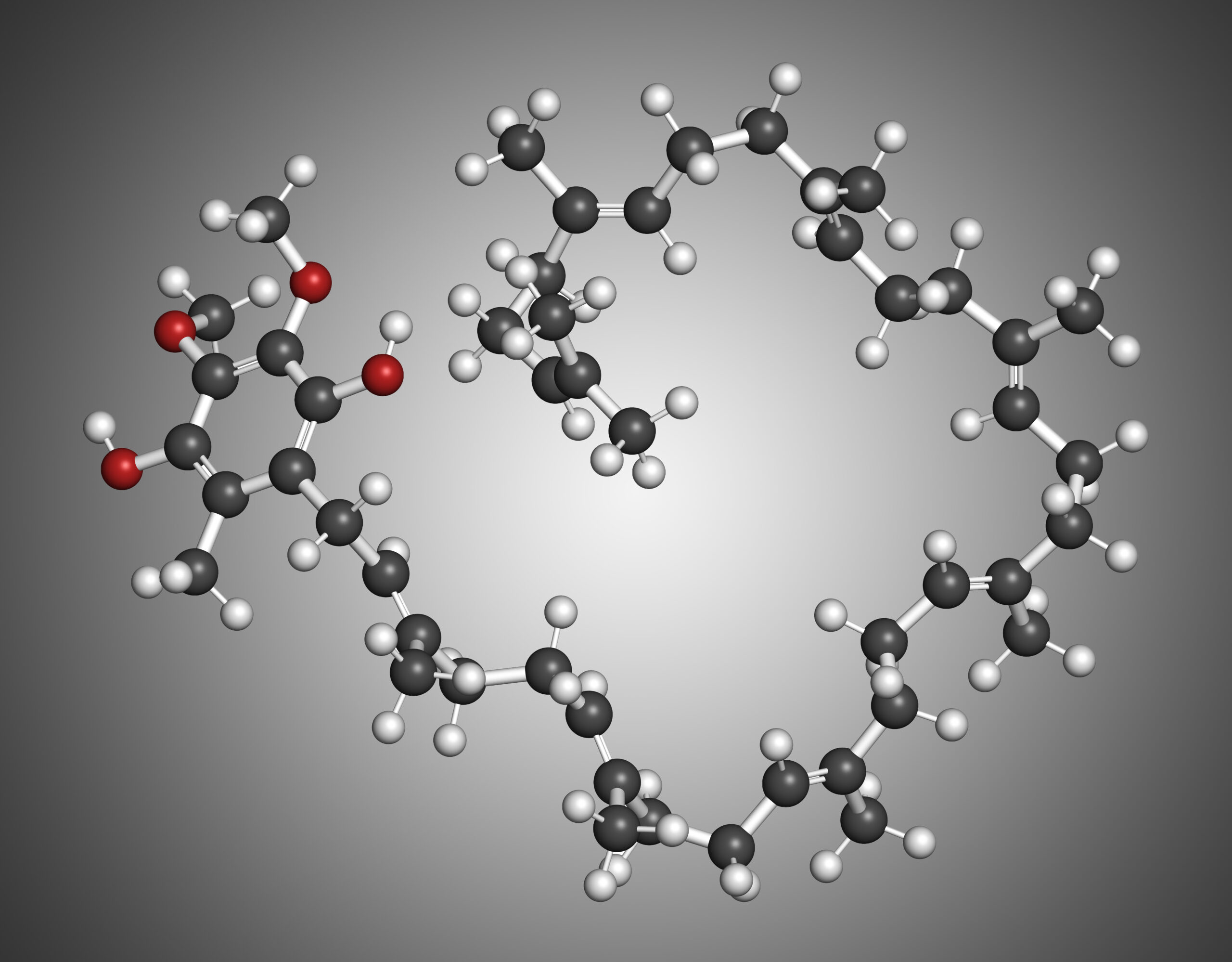
Coenzyme Q10 (CoQ10) is an essential, fat-soluble, vitamin-like compound found in all respiring human cells, with its highest concentrations occurring in high-energy organs such as the heart, liver, and kidneys. Structurally classified as a 1,4-benzoquinone, it functions within the inner mitochondrial membrane as an indispensable component of the electron transport chain. By facilitating the transfer of electrons and generating a critical proton gradient, CoQ10 directly drives the enzymatic synthesis of adenosine triphosphate (ATP). Because approximately 95% of cellular energy is produced via this aerobic pathway, CoQ10 is fundamentally required for normal energy metabolism, cellular respiration, and the transformation of dietary nutrients into physiological fuel.
In the human body, this coenzyme shifts between two chemical states: ubiquinone, the conventional oxidized form, and ubiquinol, the active reduced form. While ubiquinol is the predominant and highly bioavailable form circulating in healthy adults, the body’s natural capacity to convert ubiquinone into active ubiquinol steadily declines with age, particularly after forty, or due to chronic metabolic strain. Utilizing premium Kaneka Ubiquinol® bypasses this metabolic limitation entirely. Being a bio-identical, yeast-fermented ingredient, it is significantly more absorbable than standard CoQ10, allowing optimal systemic levels to be restored rapidly to support individuals facing age-related reductions in natural production.
Maintaining optimal ubiquinol levels delivers widespread physiological benefits, particularly for tissues with intense metabolic demands. As a naturally occurring, lipid-soluble antioxidant, it provides robust cellular defense by neutralizing free radicals and protecting lipid membranes from the oxidative stress that drives cellular aging. Beyond cellular protection, ubiquinol optimizes intracellular energy mechanisms to enhance physical endurance, maintain a healthy heart, and sustain robust cognitive function. By directly stimulating ATP production, it effectively increases stamina, combats systemic fatigue, and supports overall vitality and long-term wellness.
Niacin (Vitamin B3)
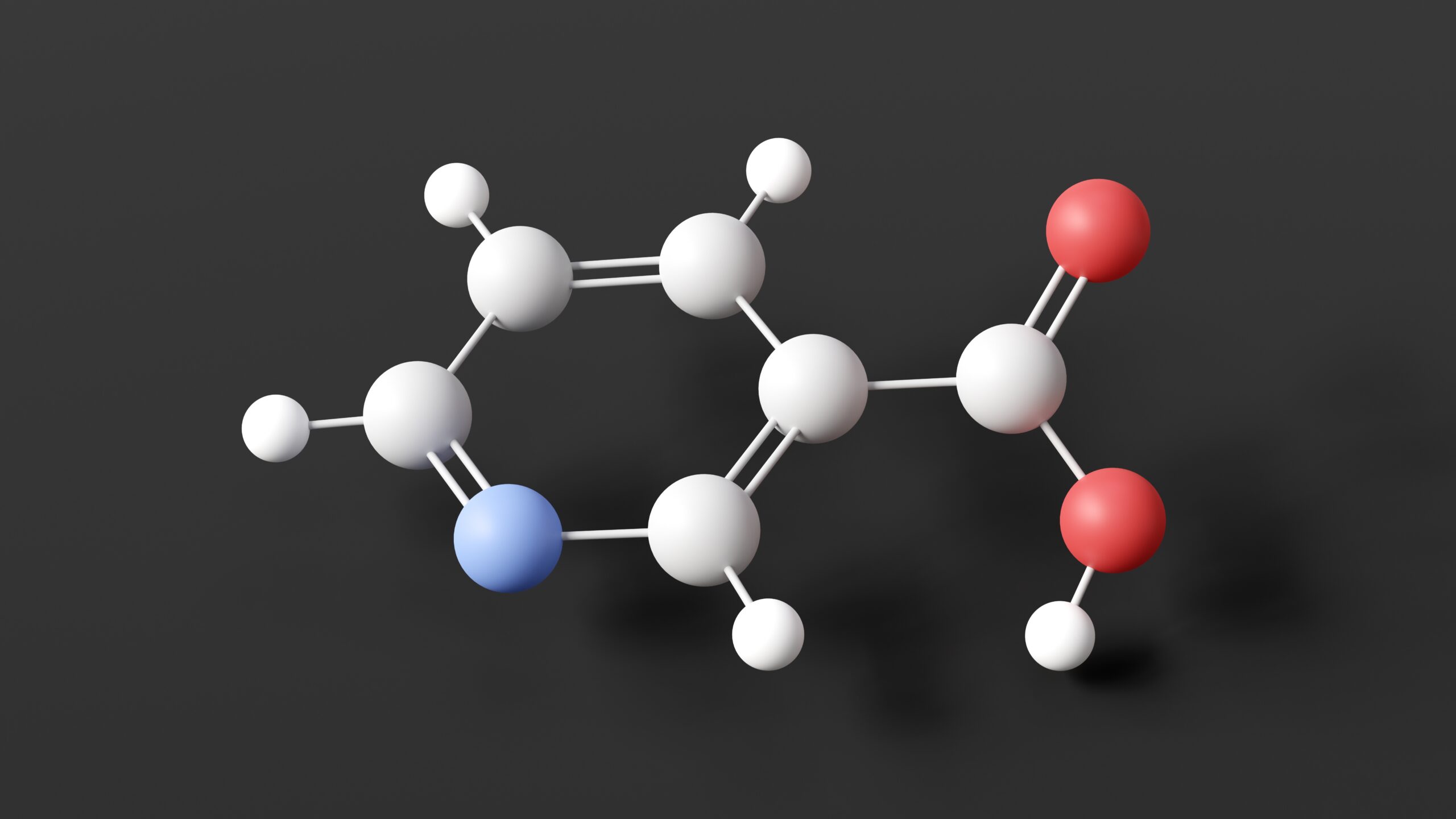
Vitamin B3, commonly referred to as niacin, is an essential water-soluble B vitamin required for normal energy metabolism and cellular function. It exists in two primary forms—nicotinic acid and nicotinamide (niacinamide)—both of which are nutritionally equivalent and can be obtained through the diet or synthesized in limited amounts from the amino acid tryptophan.
The core biological mechanism of Vitamin B3 is its conversion into the vital coenzymes nicotinamide adenine dinucleotide (NAD) and nicotinamide adenine dinucleotide phosphate (NADP). Present in all living tissues, these coenzymes are indispensable for cellular redox reactions, facilitating the transfer of hydrogen within cells to power the production of adenosine triphosphate (ATP), the body’s primary energy currency. Through these pathways, niacin plays a central role in the catabolism of carbohydrates, fats, and proteins, enabling the body to efficiently convert food into usable daily energy.
By optimizing these cellular energy pathways, Vitamin B3 significantly reduces feelings of tiredness and fatigue while supporting normal nervous system function and psychological well-being. Additionally, it drives continuous cellular repair and biosynthesis, maintaining healthy skin barrier function and protecting the digestive and nervous systems from cellular stress. As a water-soluble nutrient that cannot be stored by the body, regular intake is essential to sustain optimal metabolic and neurological vitality.

Molybdenum (Mo)
Molybdenum is a crucial micronutrient required for maintaining normal metabolic processes and driving essential biochemical reactions. Since the body cannot produce this trace element, it must be obtained through dietary sources to support a wide range of enzymatic activities that govern detoxification and nutrient utilization.
Acting as an indispensable cofactor, molybdenum enables specific enzymes to perform vital metabolic functions. It is a key component of sulfite oxidase, which facilitates the conversion of sulfites into sulfates for safe elimination, and xanthine oxidase, which assists in the metabolism of purines into uric acid. Through these specialized pathways, molybdenum contributes to efficient nitrogen metabolism and bolsters the body’s natural ability to process and detoxify certain aldehydes and medications.
While molybdenum is required only in small quantities, its presence is vital for the smooth operation of sulfur-containing amino acid metabolism. By ensuring these key enzymatic reactions proceed effectively, it enhances systemic detoxification and supports overall metabolic balance. Highly absorbable and naturally regulated by the kidneys, molybdenum remains a fundamental element for maintaining internal harmony and efficient cellular waste management.
Nicotinamide Adenine Dinucleotide (NAD+)
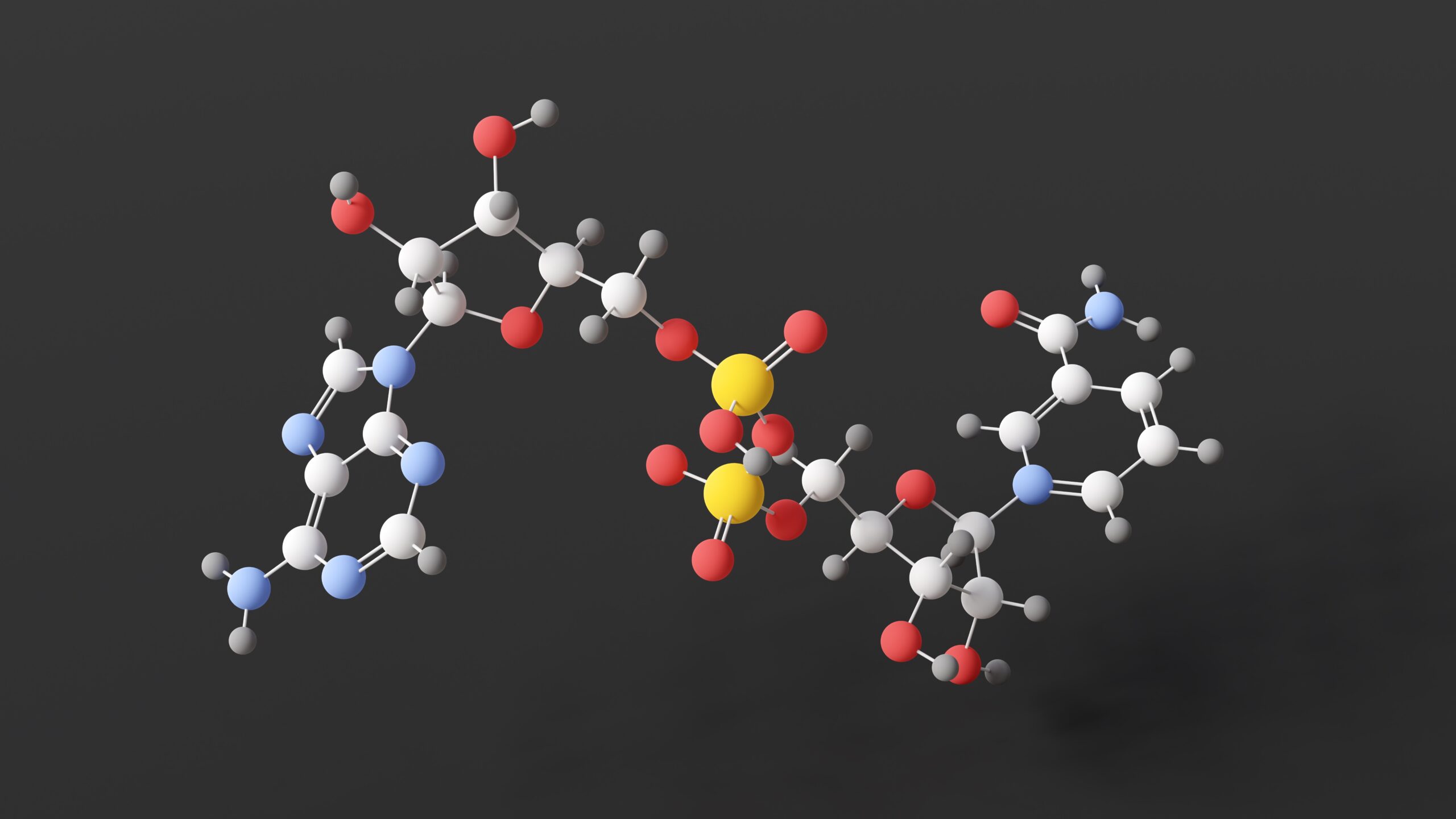
Nicotinamide Adenine Dinucleotide (NAD+) is a naturally occurring coenzyme found in all living cells that plays a fundamental role in cellular metabolism, acting as a key molecule that enables cells to convert nutrients into energy. While it is not a vitamin itself, it is synthesized by the body from Vitamin B3 precursors such as niacin, nicotinamide, or nicotinamide riboside. Within cells, NAD+ functions as a vital electron carrier, cycling continuously between its oxidized form (NAD+) and its reduced form (NADH). This constant cycling is essential for the biochemical redox reactions that drive energy production in the mitochondria through pathways like glycolysis, the citric acid cycle, and oxidative phosphorylation, directly fueling the generation of adenosine triphosphate (ATP).
Beyond its foundational role in energy metabolism, NAD+ is actively involved in cell signaling and cellular maintenance processes. It serves as an indispensable substrate for specialized enzymes such as sirtuins and poly(ADP-ribose) polymerases (PARPs), which regulate DNA repair, gene expression, and cellular stress responses. Because these enzymes consume NAD+ to perform their functions, maintaining adequate levels of this coenzyme is considered critical for preserving normal cellular function, maintaining structural integrity, and protecting cells from environmental and metabolic stress.
Through its active participation in cellular renewal and repair pathways, NAD+ is also indirectly linked to skin cell regeneration, collagen formation, and overall tissue maintenance. Skin renewal and optimal protein synthesis rely heavily on an efficient cellular energy supply and DNA integrity, both of which depend entirely on NAD+-dependent metabolic processes. Because systemic levels of this coenzyme are heavily influenced by age, metabolic activity, and dietary intake, supporting its production is a key strategy for optimizing cellular turnover, reducing metabolic fatigue, and maintaining healthy tissue regeneration.

Rosa Canina Extract (Rosehip Extract)
Rosa canina, commonly known as rosehip, is the nutrient-dense fruit of the wild rose plant and has a long history of use in traditional diets and herbal preparations. Typically obtained from the ripe pseudo-fruits of the plant, this extract is valued as an exceptional plant-based source of highly bioavailable micronutrients and phytochemicals. It is naturally packed with a diverse matrix of bioactive compounds, including organic acids, polyphenols, and powerful carotenoids like beta-carotene and lycopene. Together, these constituents work synergistically to deliver potent antioxidant defense, effectively protecting cells throughout the body from oxidative stress and neutralizing free radicals.
A standout component of Rosa canina extract is its high natural content of Vitamin C, which works alongside native flavonoids and phenolic compounds to provide superior cellular protection. In high-quality formulations, standardized extracts are utilized to ensure consistent, reliable levels of these vital compounds. Because Vitamin C is an indispensable cofactor for normal collagen synthesis, this botanical extract plays an important supporting role in connective tissue nutrition, joint integrity, and skin structure. By delivering a rich supply of plant antioxidants, rosehip extract serves as an excellent natural asset for promoting cellular turnover, defending tissue health, and supporting daily metabolic well-being.
Citrus Bioflavonoids (Citrus Aurantium Extract)
Citrus bioflavonoids are a group of naturally occurring plant compounds found predominantly in the peel, pulp, and white inner rind (albedo) of citrus fruits such as oranges, lemons, and grapefruits. Extracted from sources like Citrus aurantium, these phytonutrients belong to the broader polyphenol family and include specific flavonoids such as hesperidin, rutin, naringin, quercetin, and eriocitrin. In nature, these compounds act as a vital defense mechanism protecting the plant from environmental stressors. When consumed, they integrate seamlessly into human physiology, offering a rich complex of plant-based antioxidants that defend cells against oxidative damage.
In premium formulations, these bioflavonoids are typically provided as standardized extracts to ensure a consistent, reliable concentration of their active constituents. They are most frequently paired alongside Vitamin C because they naturally coexist in citrus fruits, where they work in tandem to optimize nutrient stability and physiological utilization. While they are not classified as vitamins or minerals and do not carry standalone daily recommended values, their presence within a formulation significantly enhances the overall biological synergy of the ingredients.
Beyond their supportive role with vitamins, citrus bioflavonoids deliver targeted benefits for vascular health and systemic defense. They have been shown to help maintain healthy venous circulation, supporting capillary strength and optimal blood flow through the vessels. Additionally, these active polyphenols contribute to maintaining a proper microbial balance within body organs and tissues. By reinforcing structural blood vessels and supporting natural immune defenses, citrus bioflavonoids serve as an excellent botanical asset for sustaining cardiovascular efficiency and internal resilience.


Collagen (Peptan®)
Peptan® is a premium, high-purity fish collagen peptide ingredient developed through advanced enzymatic hydrolysis by Rousselot, a global leader in collagen science. This specialized process breaks down native collagen into low-molecular-weight peptides, resulting in an exceptionally pure, neutral-tasting ingredient with verified superior bioavailability. Upon ingestion, Peptan® is rapidly and efficiently absorbed by the digestive tract, entering the bloodstream as a powerful combination of free amino acids and bioactive di- and tripeptides. Clinical data reveals that roughly 43% of its absorbed hydroxyproline—the critical marker for collagen intake—remains intact as bioactive peptides, allowing them to travel throughout the body and function as active physiological messengers.
The unique amino acid profile of Peptan® is exceptionally rich in glycine, proline, and hydroxyproline, which serve as the indispensable raw building blocks for the body’s own structural matrix. Rather than merely supplying basic nutrients, these absorbed peptides double as systemic signaling molecules that directly stimulate chondrocytes and fibroblasts, effectively triggering the natural regeneration and turnover of connective tissues. By supporting the body’s internal synthesis pathways, this bioavailable peptide complex provides foundational support for skin elasticity, hair strength, bone density, and gut barrier comfort.
Because it delivers exceptionally reliable, scientifically proven absorption, Peptan® serves as a versatile cornerstone for targeted healthy aging, sports performance, and joint mobility solutions. It helps maintain the structural integrity and resilience of joints, muscles, and tendons, significantly accelerating physical recovery after exertion. Backed by decades of rigorous scientific validation, traceability, and sustainability, this premium fish collagen peptide sets the global benchmark for modern nutritional formulations designed to support active lifestyles, structural integrity, and holistic tissue renewal.